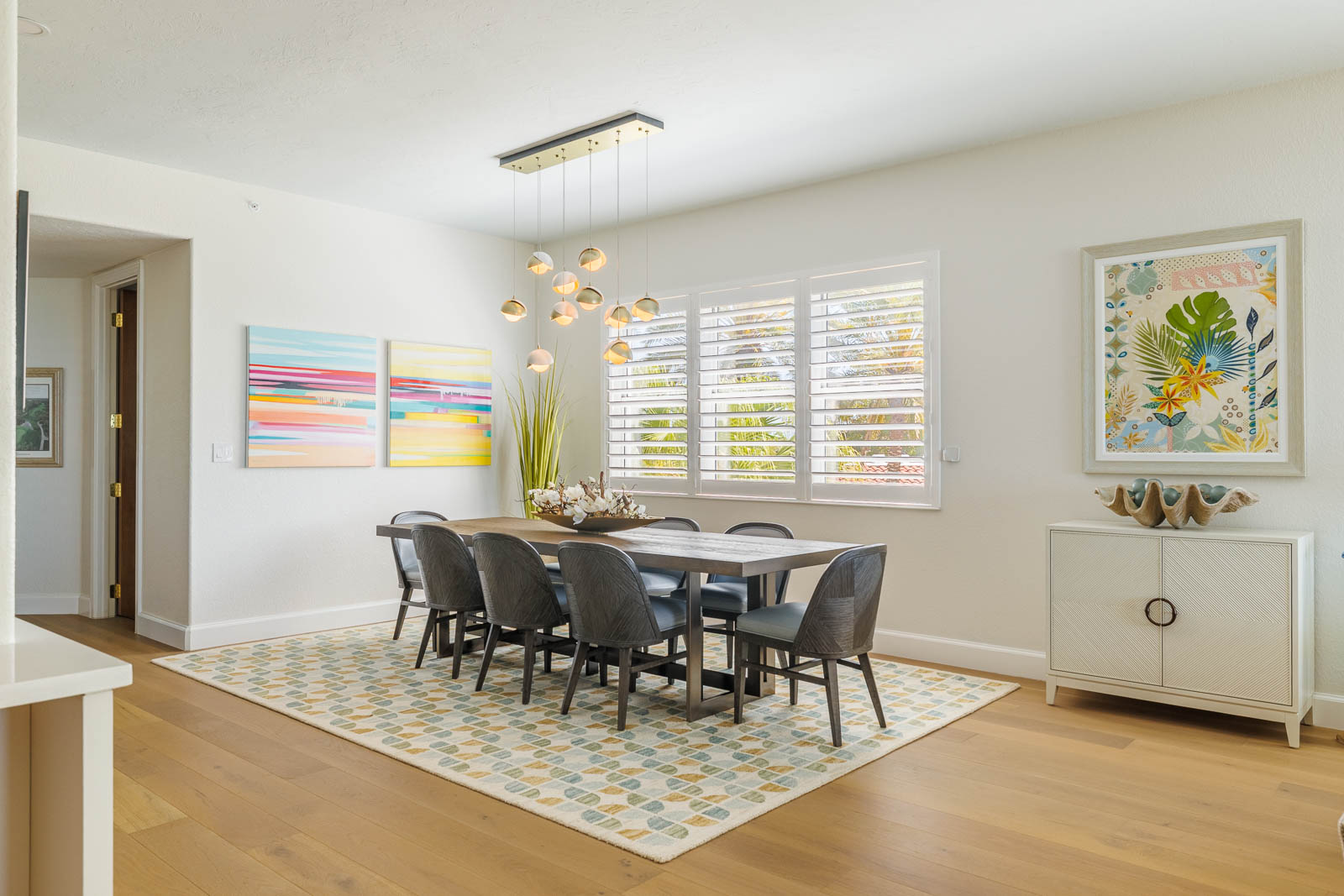
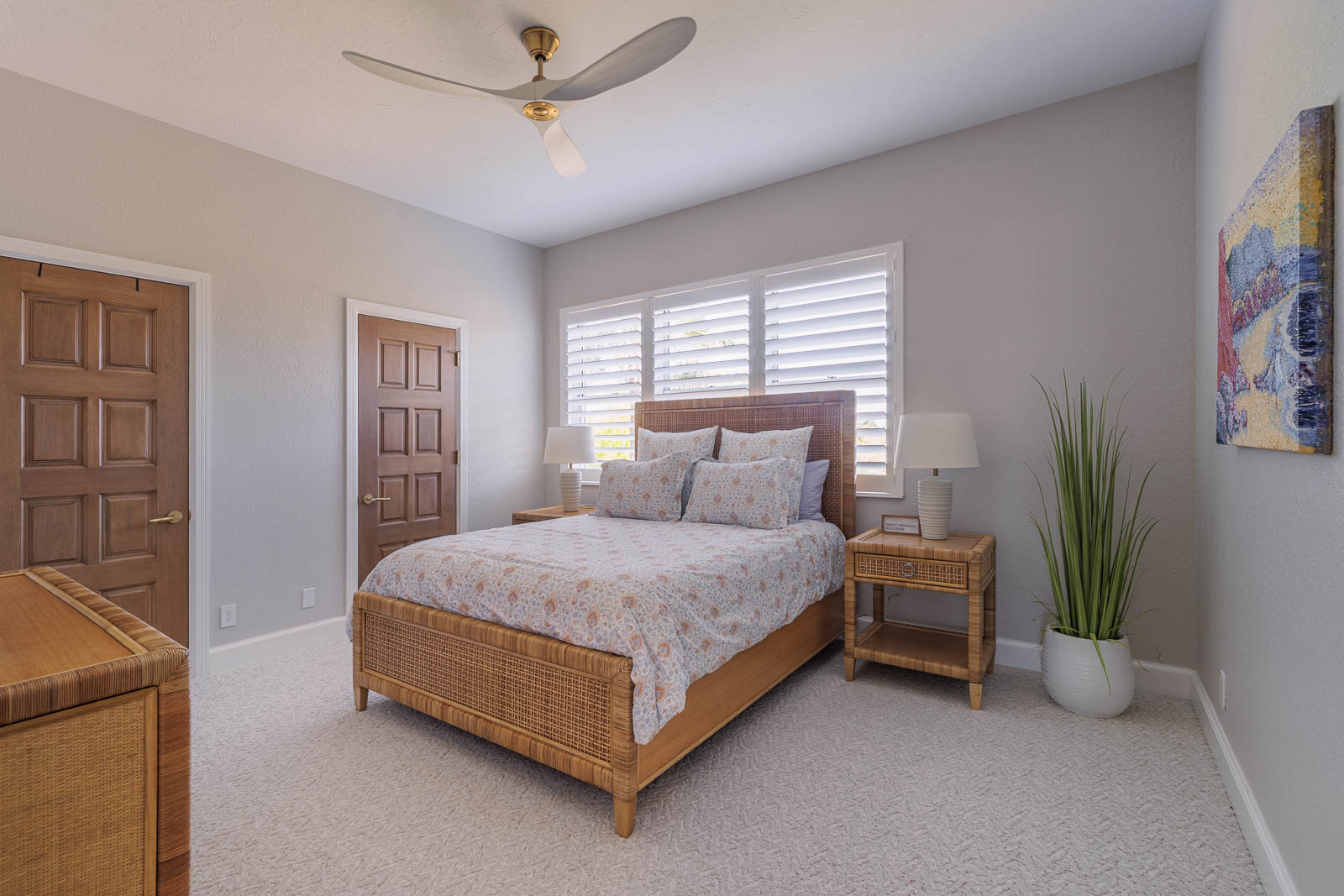
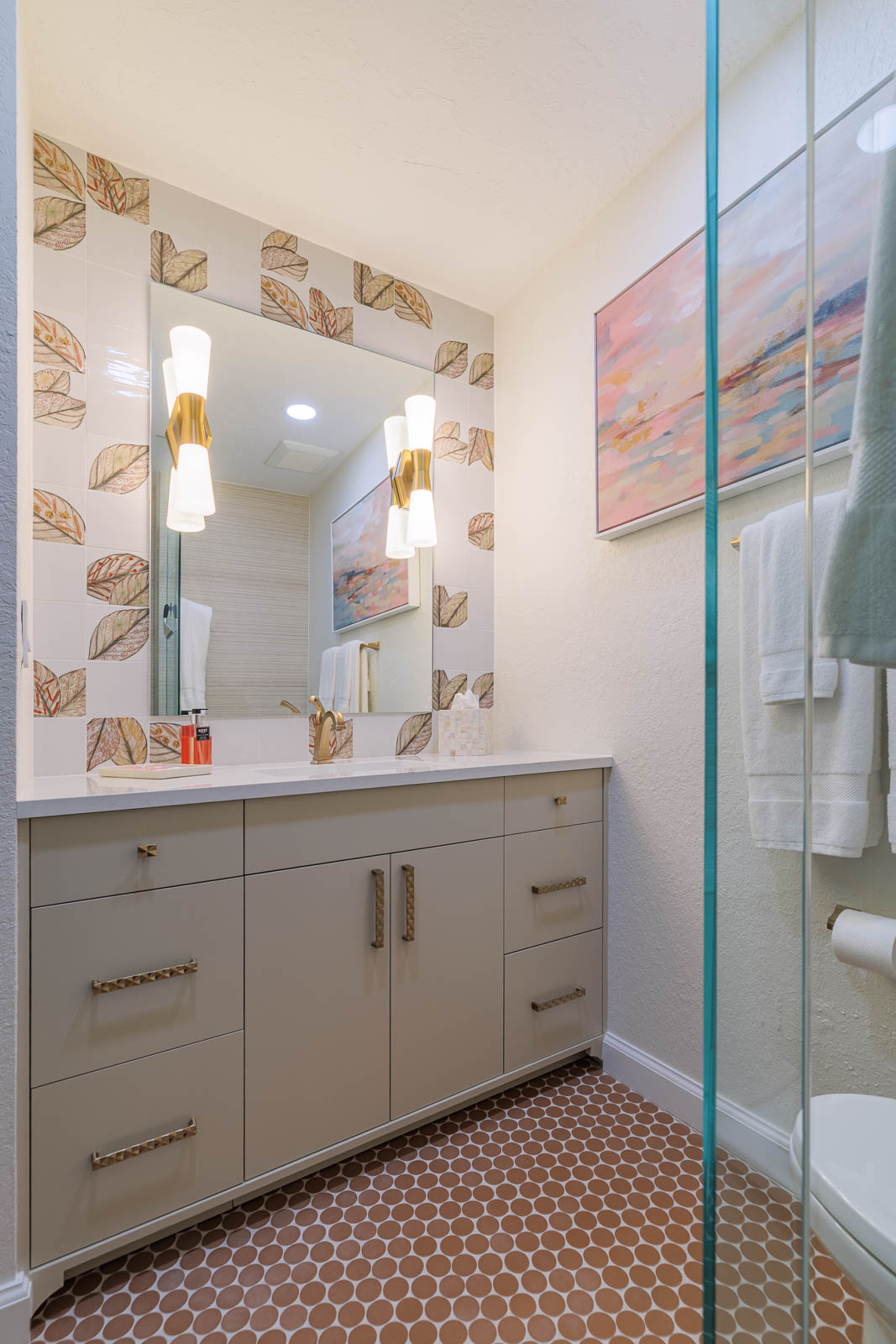
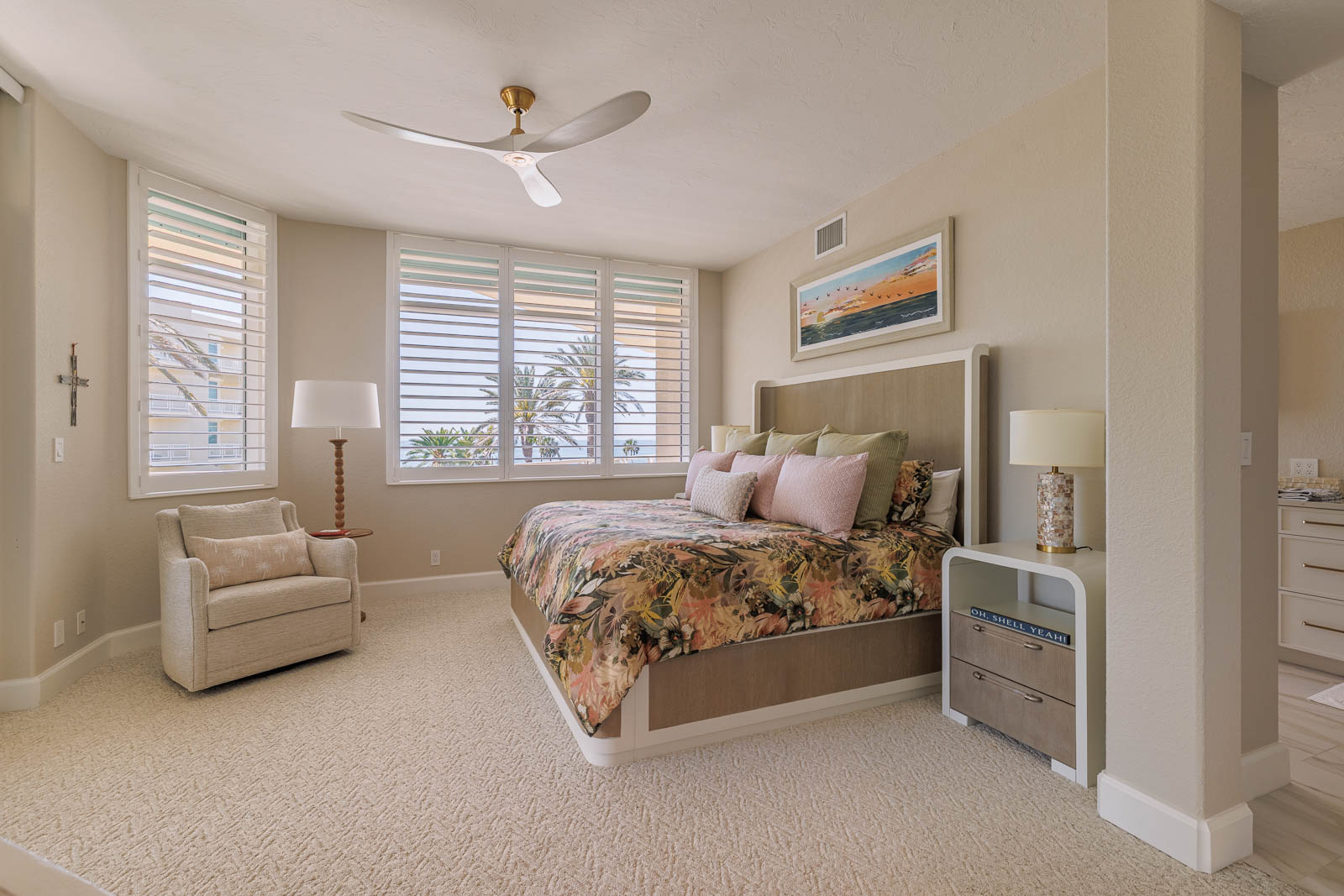
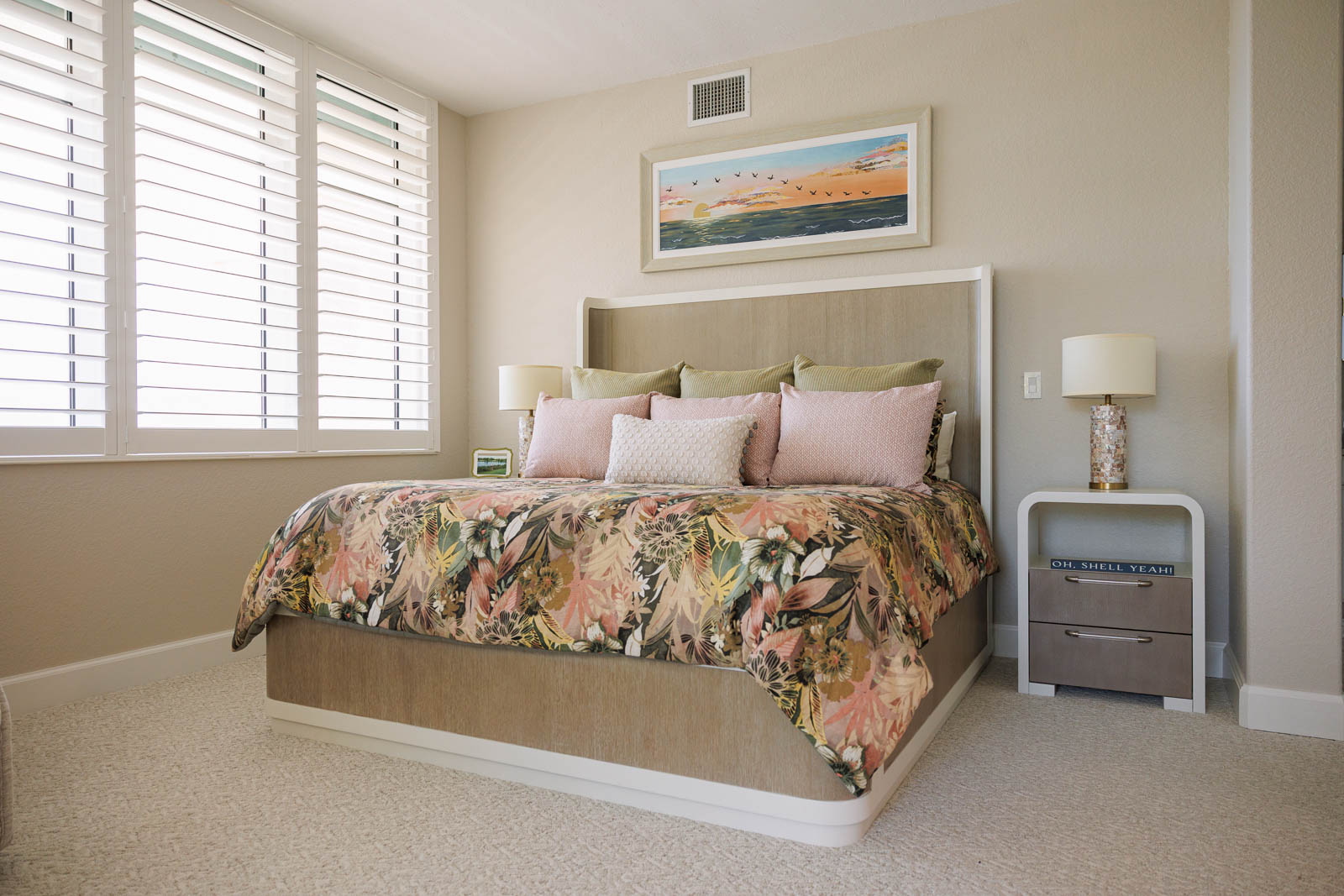
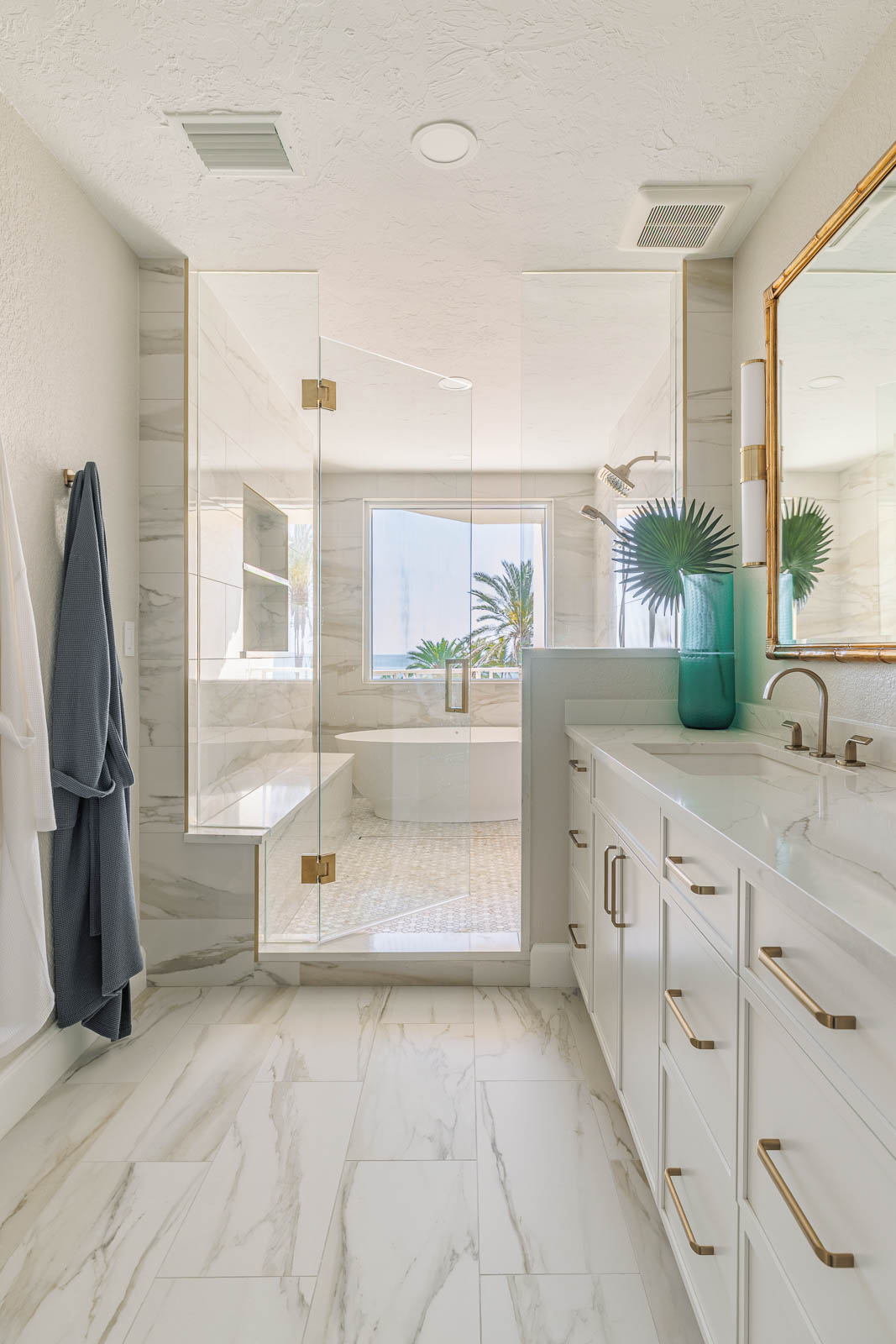
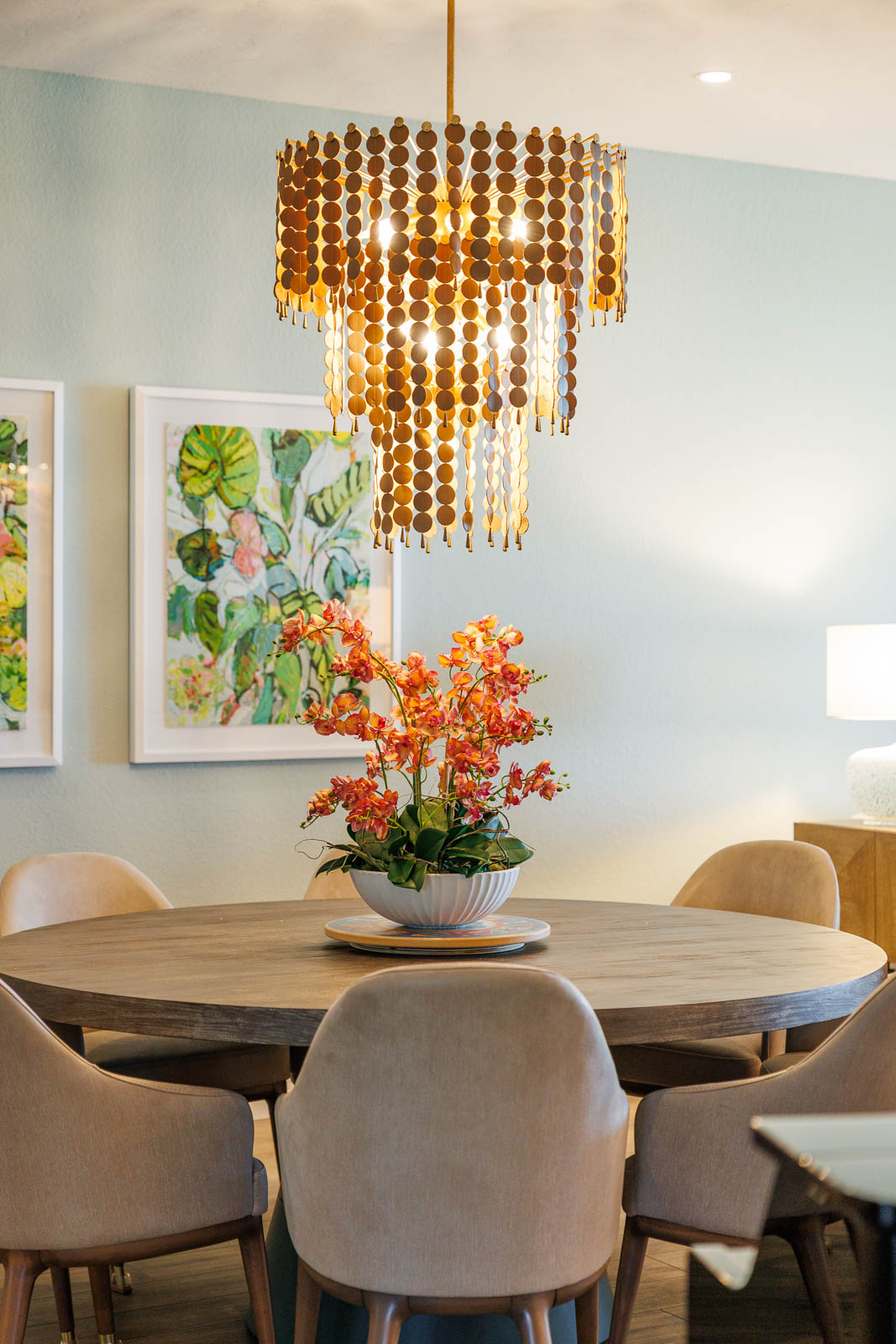
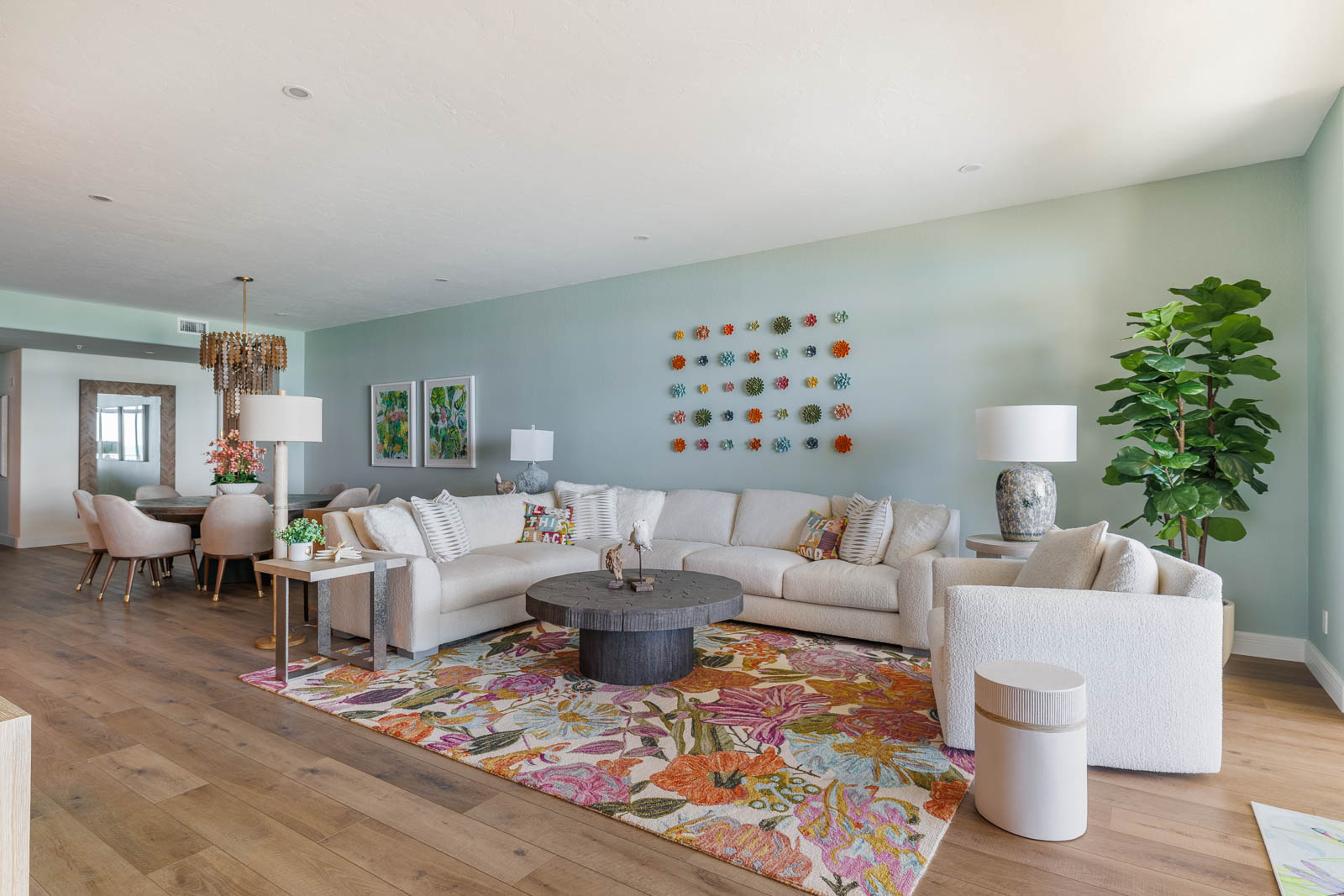
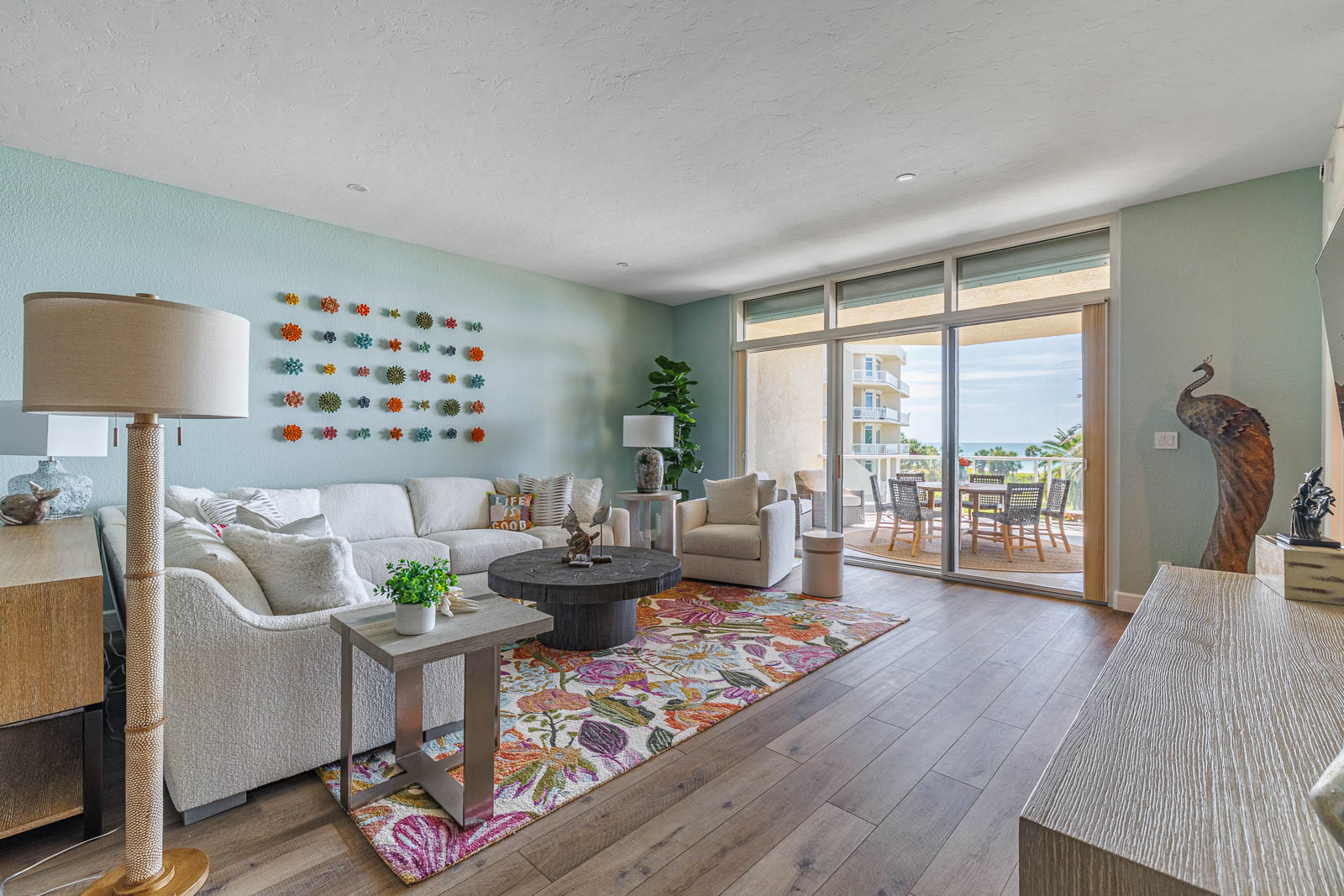
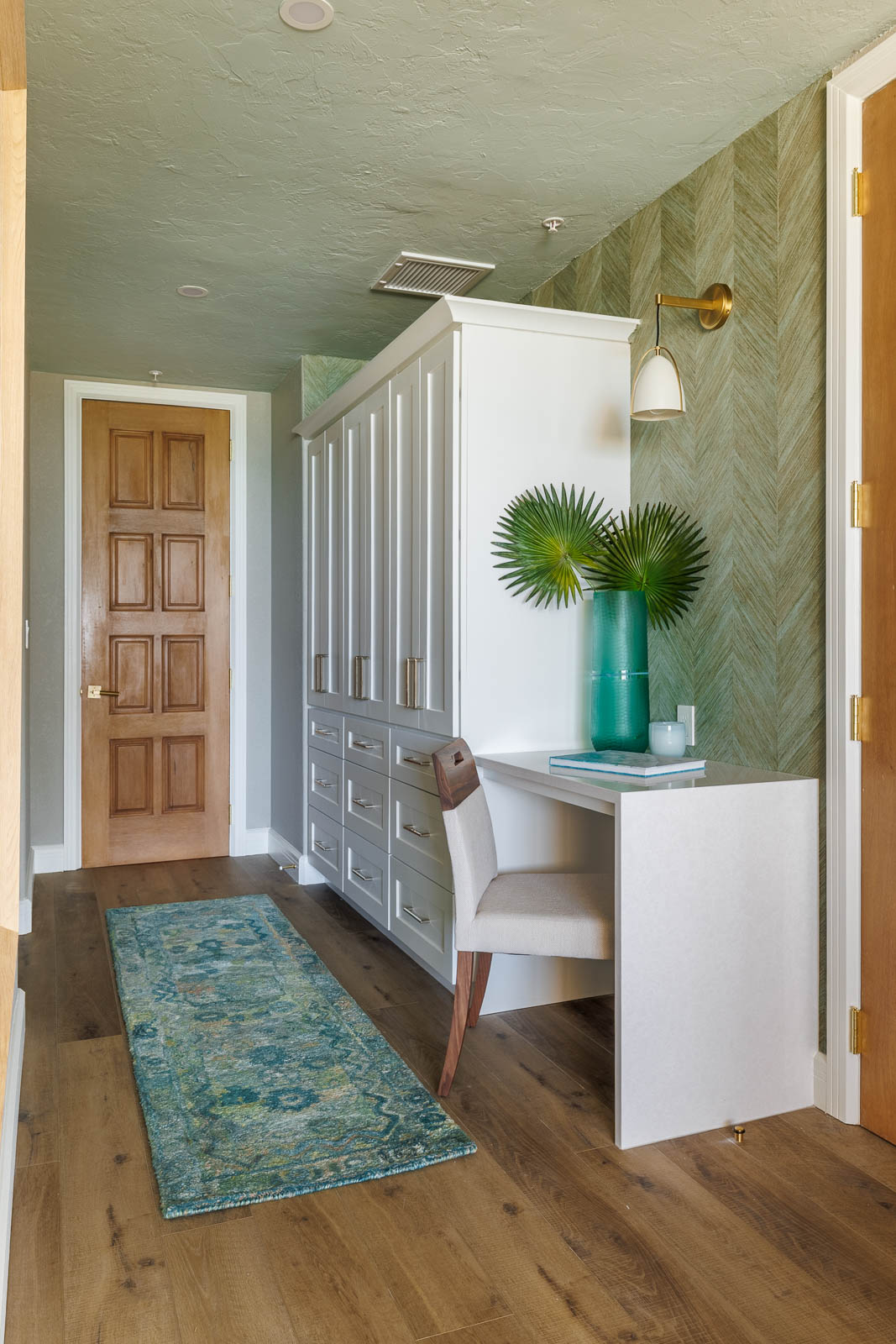
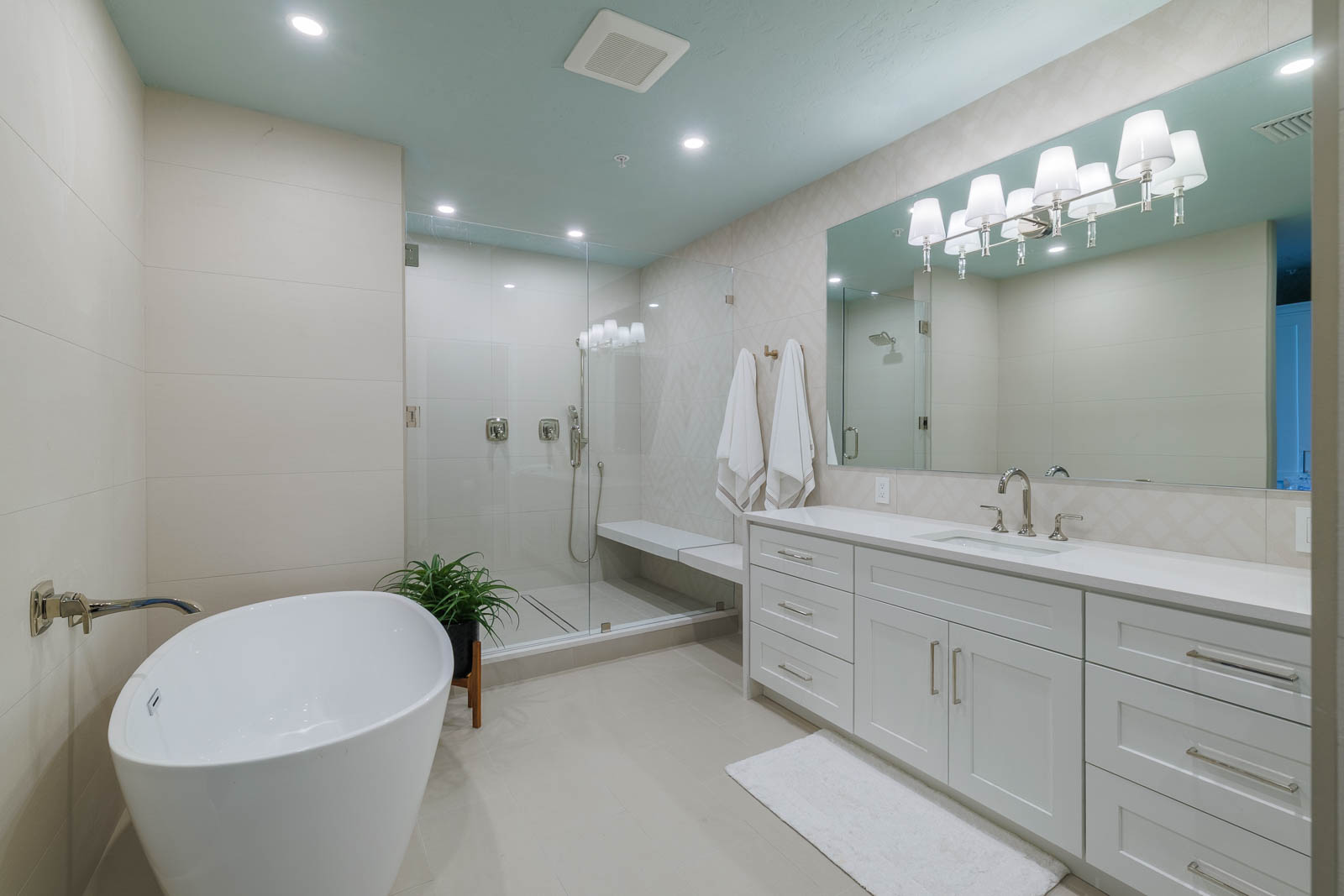
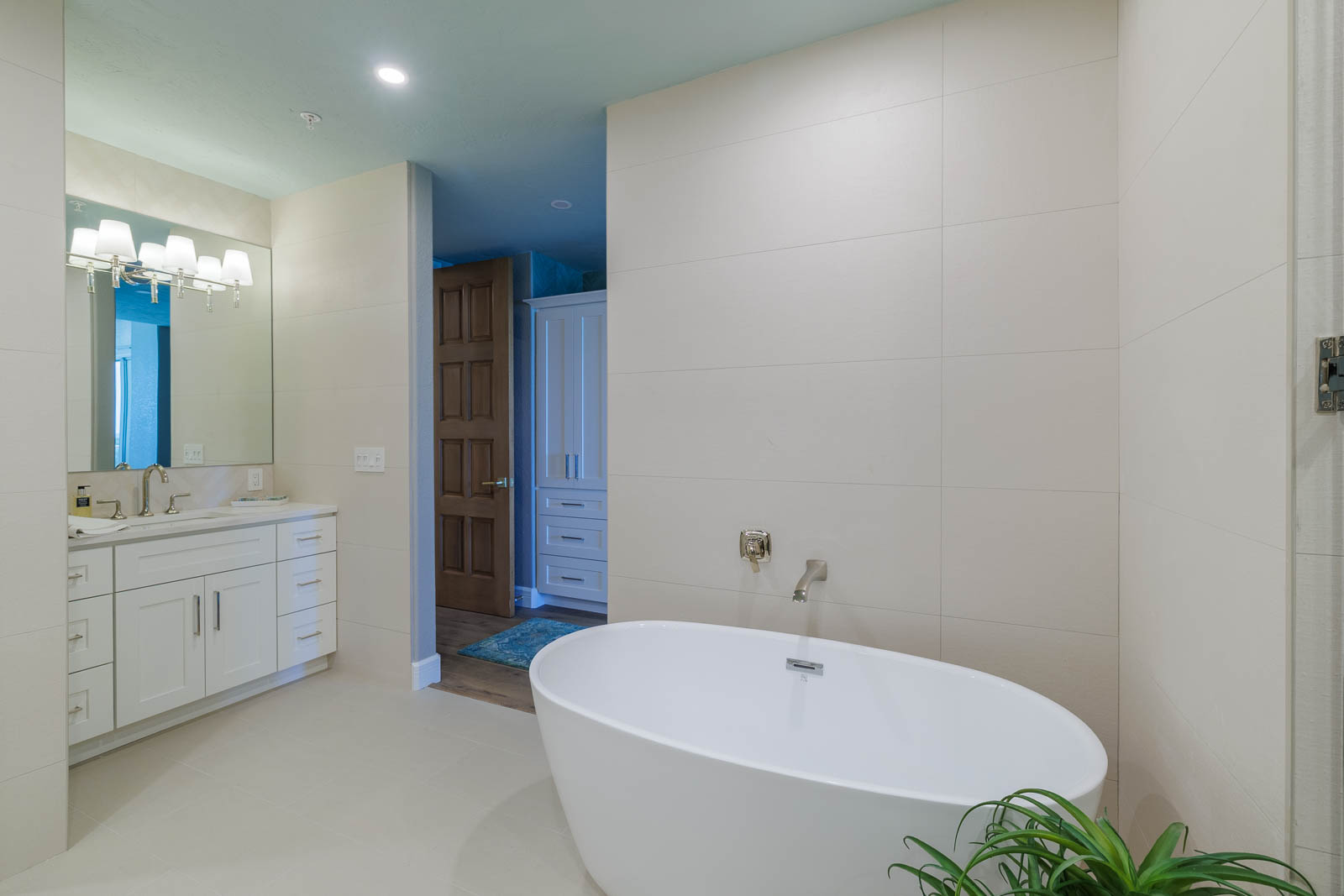
Two adjacent condominium units reimagined as a single, multigenerational home. By reworking circulation, aligning materials, and designing for both durability and refinement, the spaces move together seamlessly, supporting everything from quiet stays to full family gatherings without compromise.
Project Context
Location: Longboat Key, FL
Approx. Size: 4,700 sq ft
6 Bedroom / 6 Bathroom
Residence: Condominium
Scope: Two Whole-unit Renovations
The Original, Reimagined
There are homes that impress, and then there are homes that settle into the way a family actually lives. This one does the latter.
Set on a single floor along Longboat Key, these two adjacent condominium units were never meant to remain separate. Together, they form something closer to a private residence, nearly 5,000 square feet, six bedrooms, and a shared lobby that quietly connects theam. When the family is in town, the front doors stay open. Movement between the spaces becomes instinctive. What appears as two units on paper lives as one continuous home.
The arrangement didn’t begin that way. The grandparents purchased the first unit years ago, furnishing it in their own time, at their own pace. It became a place for the family to return to, Longboat Key as a constant, even as life moved elsewhere. When the neighboring unit became available, the next generation stepped in, acquiring the second space with a different set of needs, but the same underlying intention: to create a place where everyone could gather easily.
That distinction shaped the work from the beginning. This wasn’t about designing two showpieces. It was about creating a shared environment that could hold multiple generations at once, without forcing them into the same experience.
The existing layouts didn’t make that easy, particularly in what became the “kids’ unit.” Circulation was awkward. The kitchen was disconnected from both the view and the flow of the home. Bedrooms were accessible, but not intuitively so. The space functioned, but it didn’t support how the family actually used it.
So the first move wasn’t aesthetic. It was structural.
The kitchen was completely rethought, repositioned to engage with the exterior rather than turn away from it. Sightlines were opened. A central storage core that once interrupted the space was removed, allowing the room to breathe. Circulation was reworked to create a continuous path through the unit—kitchen to pantry, into the primary suite, and back toward the living spaces—removing the sense of dead ends that had defined it before.
These changes weren’t dramatic on their own, but together they altered how the space felt. The unit began to read less like a series of rooms and more like a single, connected environment. It moved the way a house does, which is something a condominium rarely achieves.
From there, the work became more nuanced.
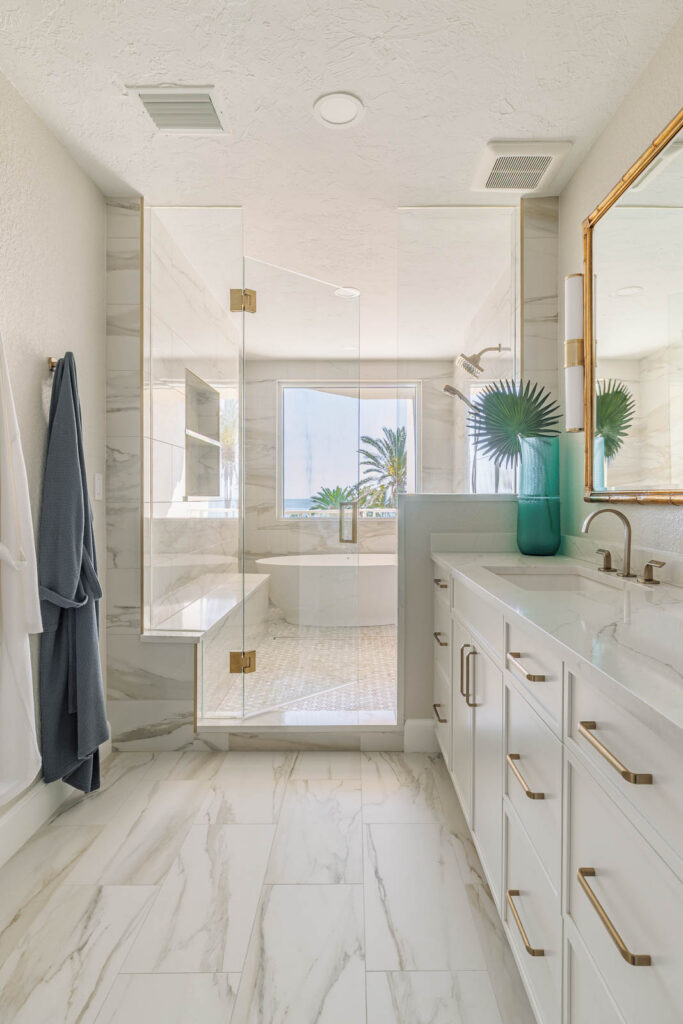
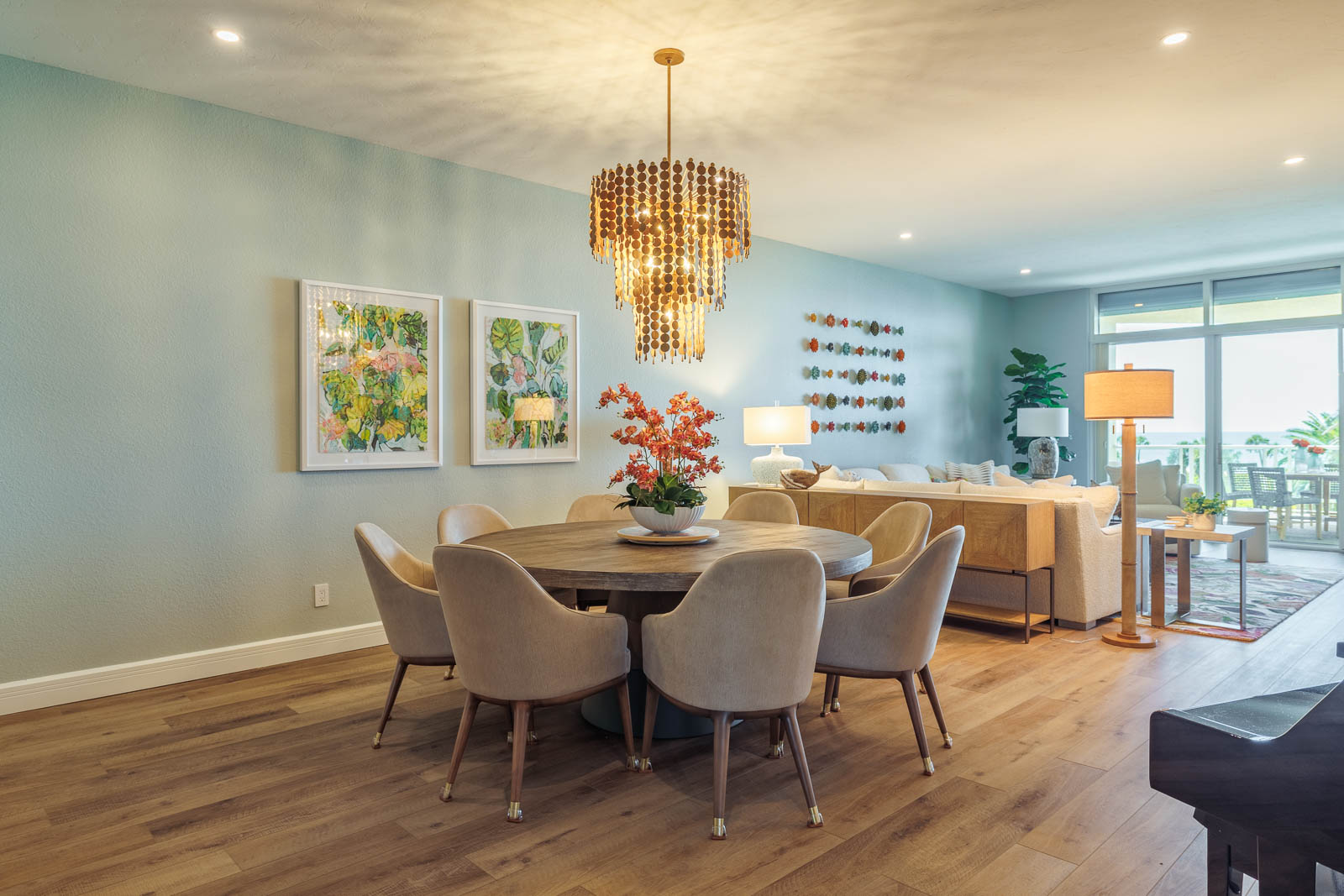
The two units were designed to feel related, but not identical. The parents’ residence leans quieter, more refined in its finishes, slightly more restrained in its palette. It’s a space that feels settled and composed. A place to retreat.
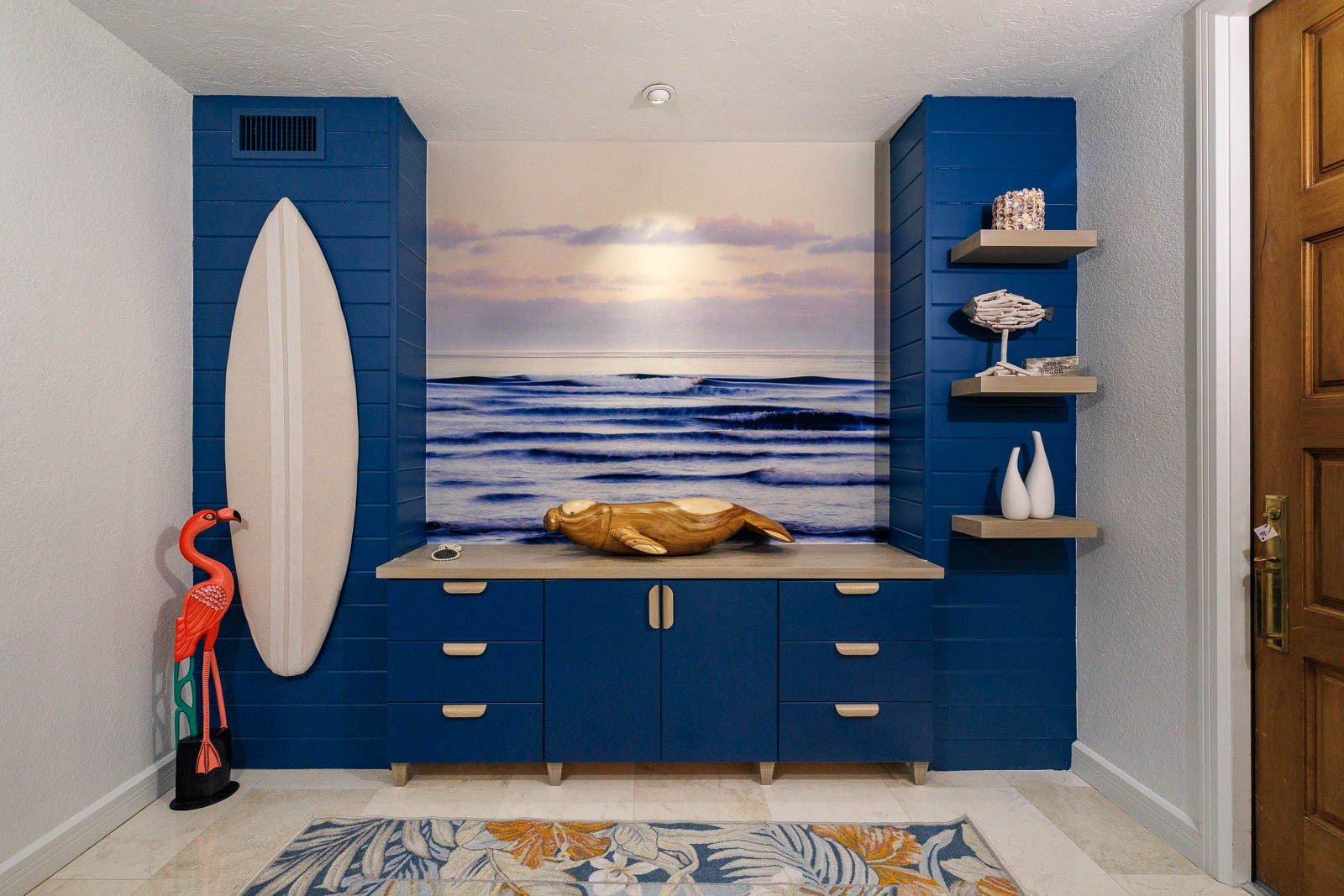
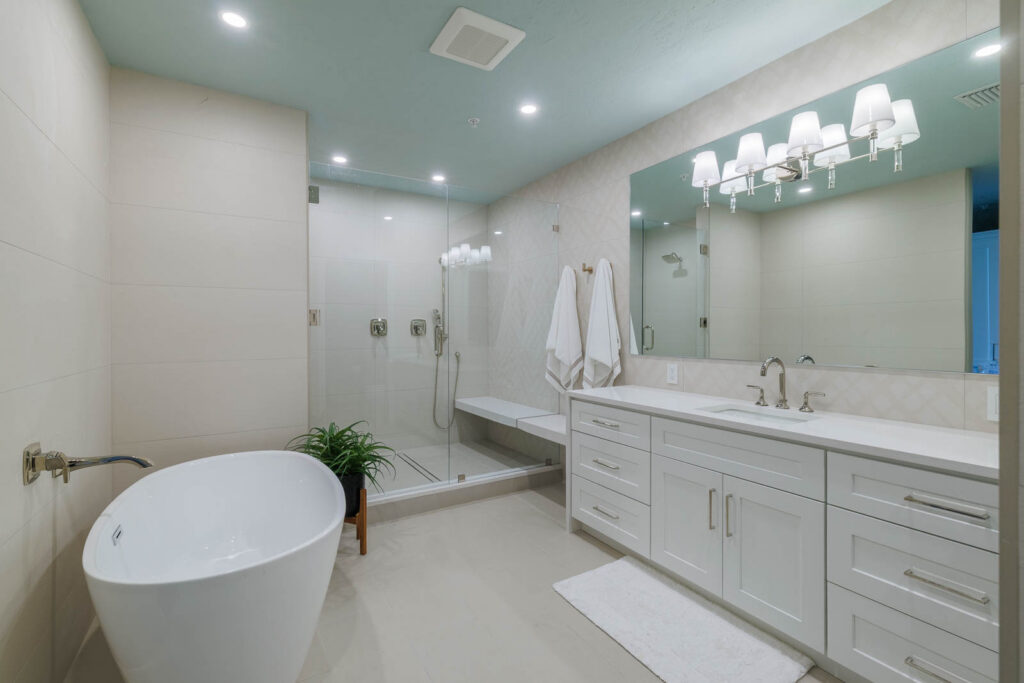
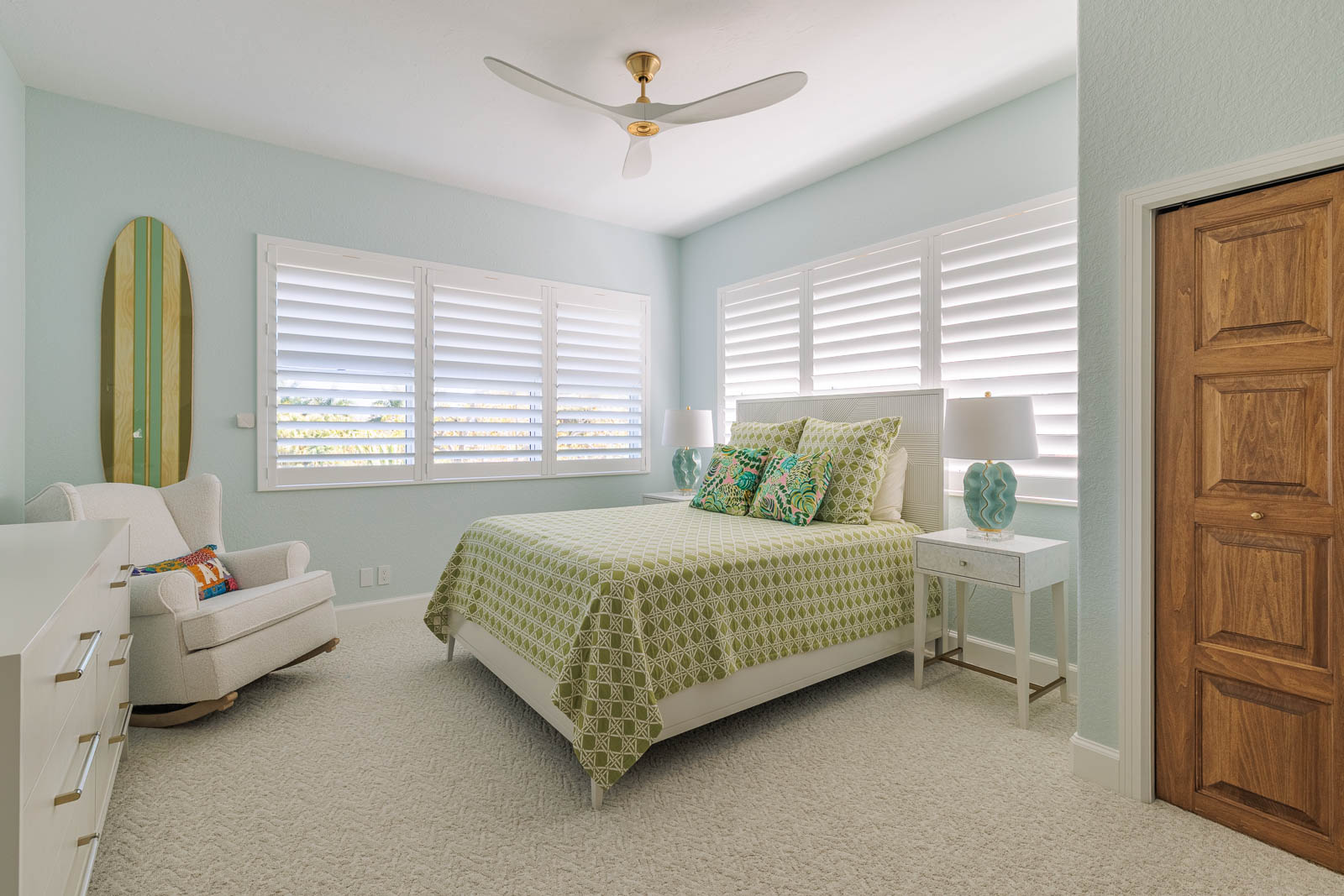
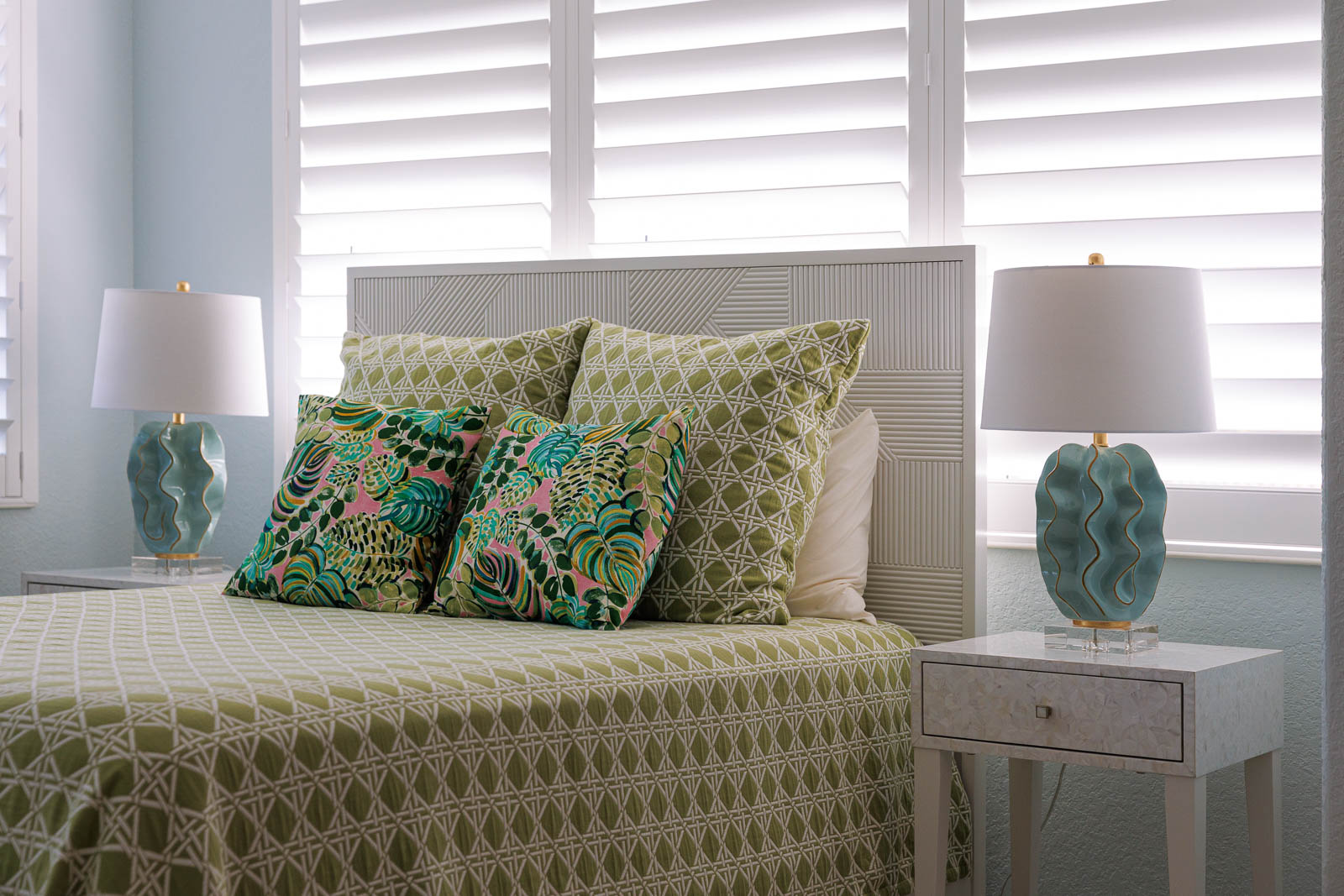
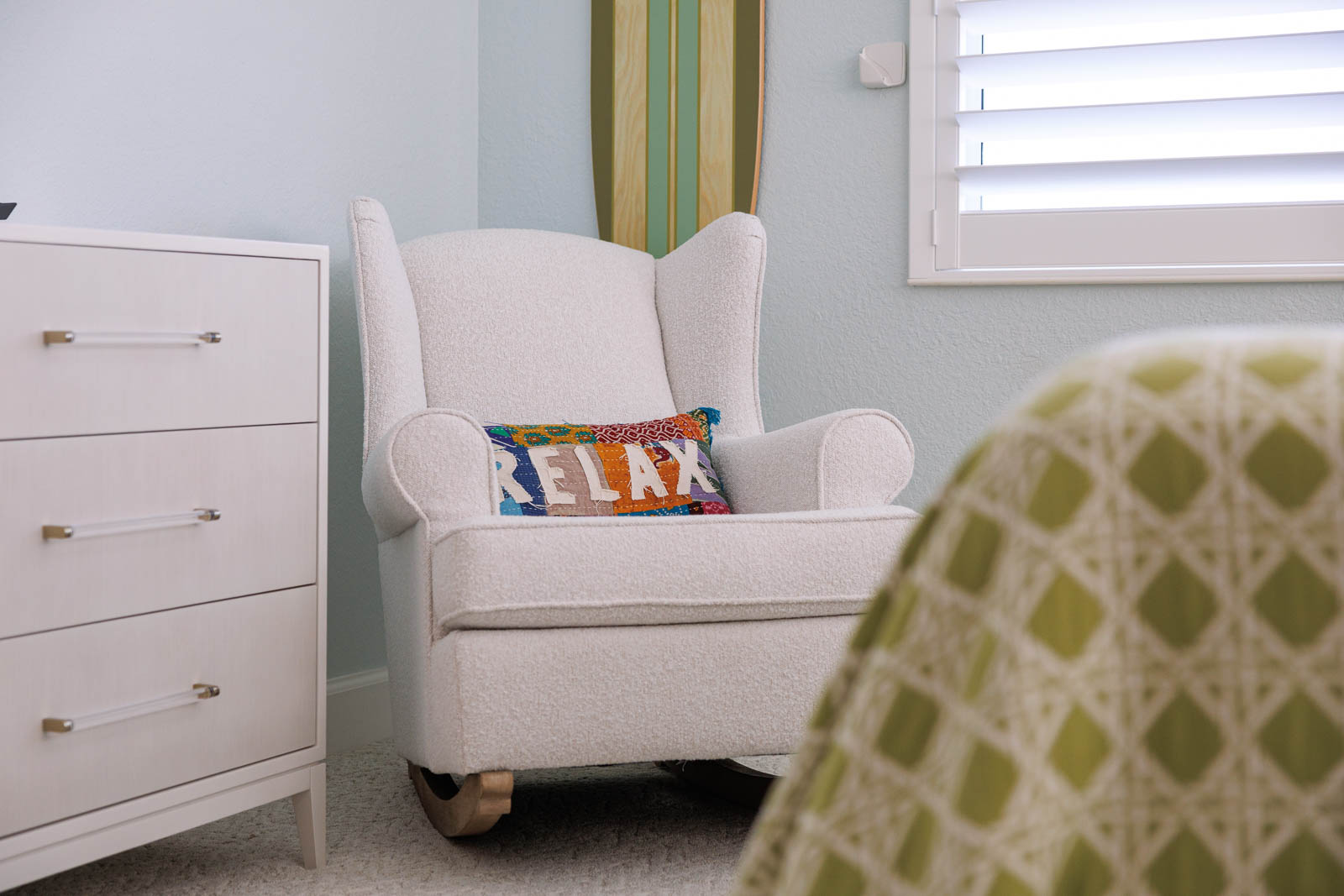
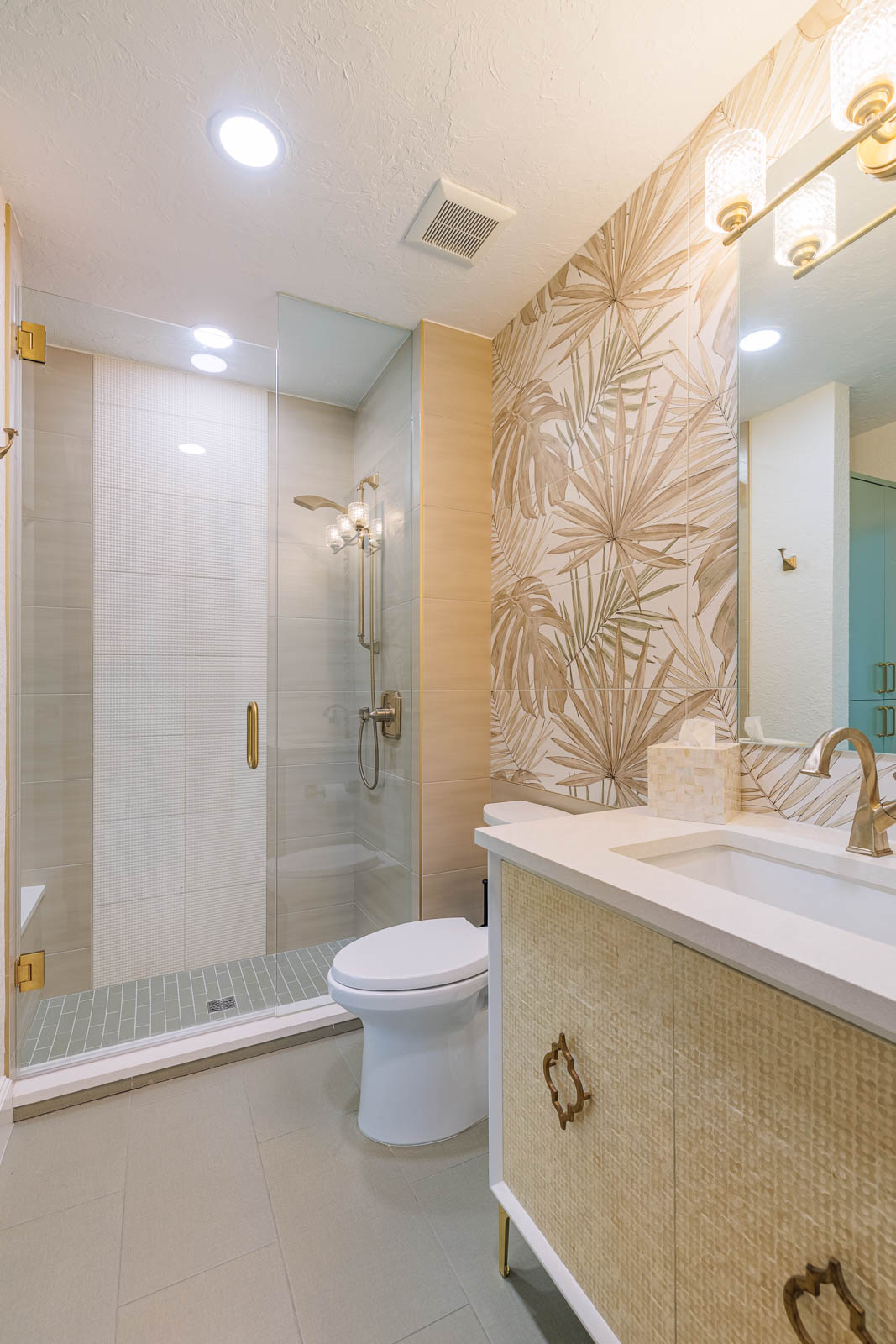
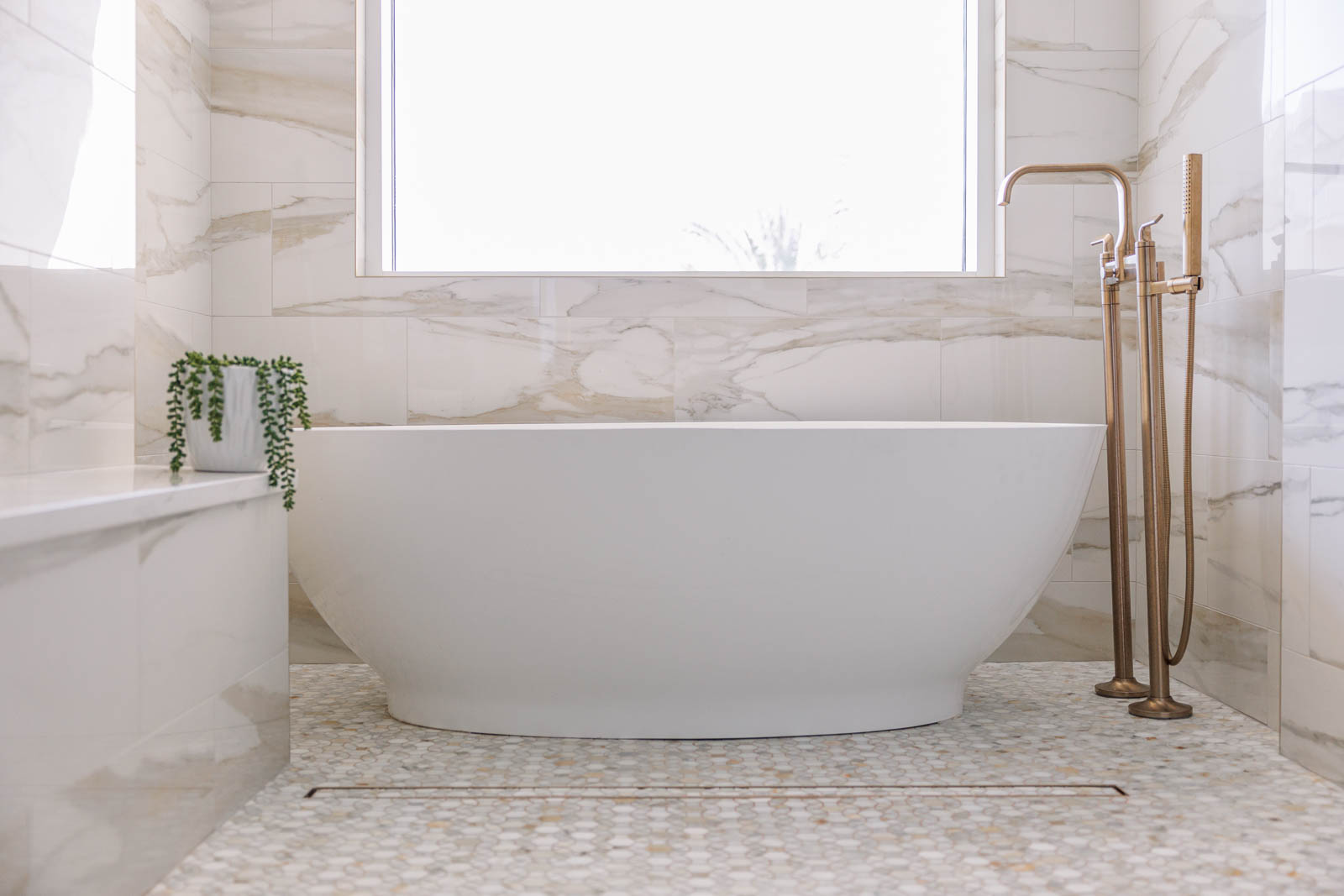
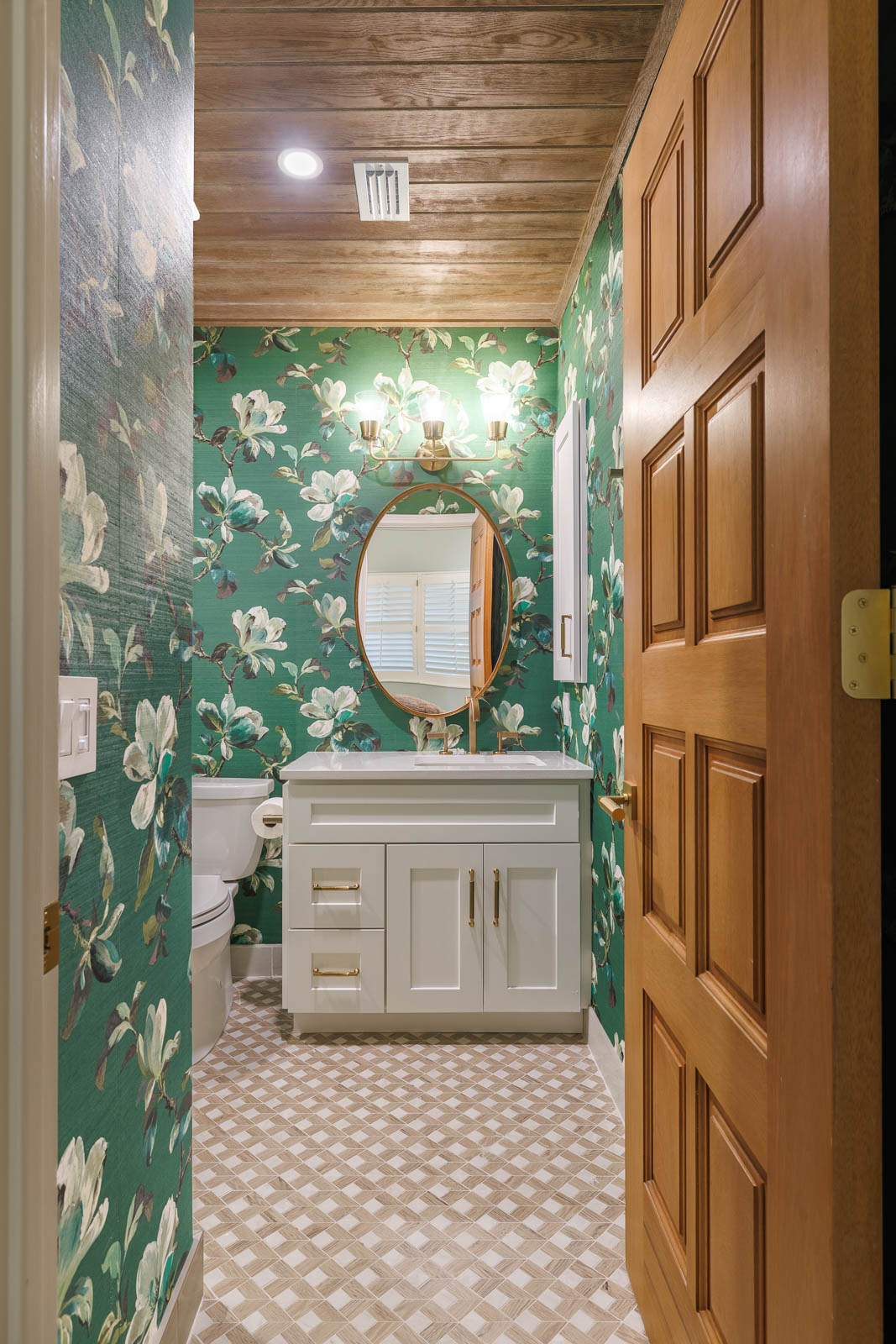
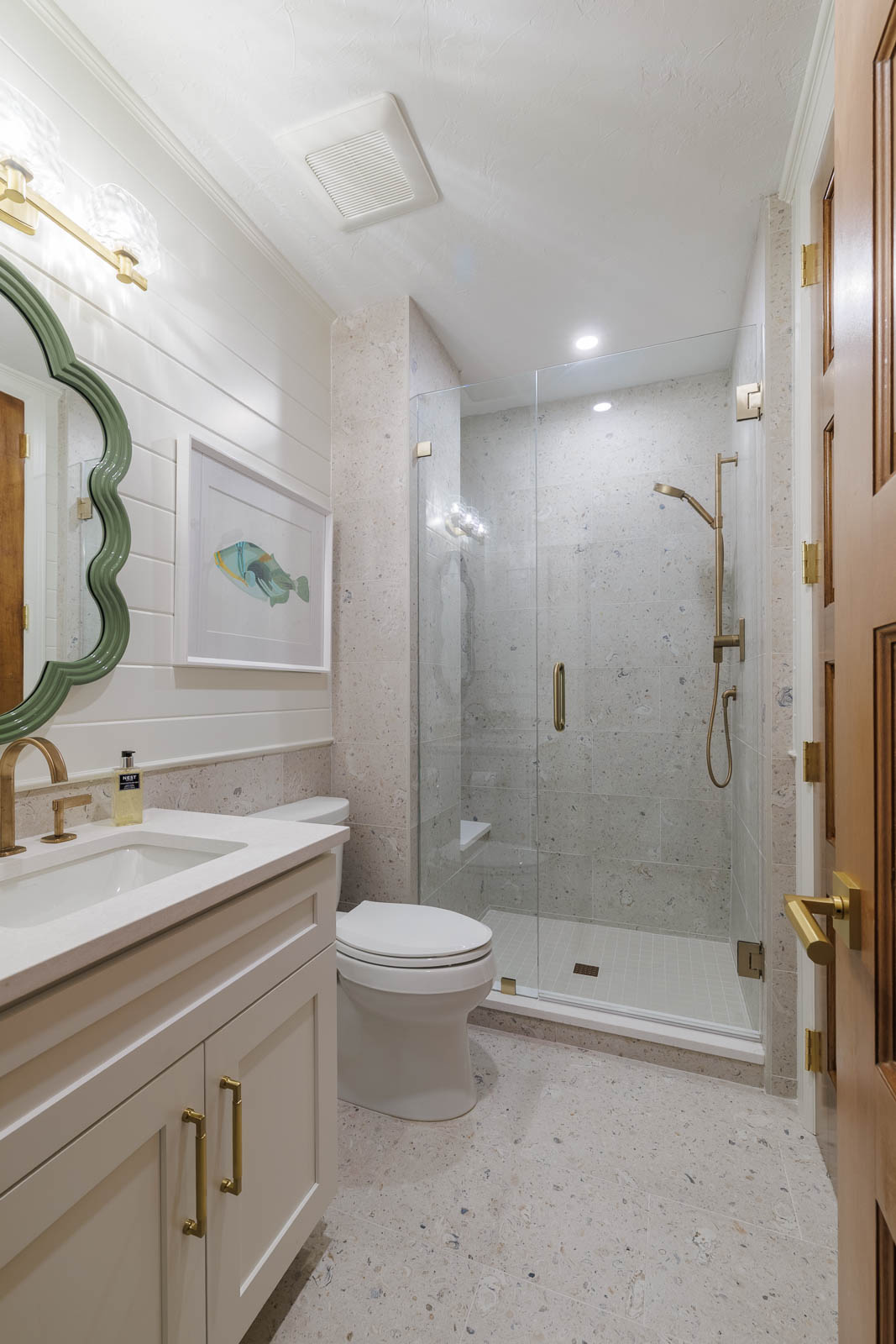
The adjacent unit, used more heavily by children and grandchildren, carries a different tone. Materials were selected with durability in mind. Luxury vinyl plank replaces hardwood, closely matched in tone so the two units remain visually aligned when experienced together. Bathrooms were finished with tile, shiplap, and vinyl wallcoverings that bring texture without requiring constant attention.
There’s an ease to it. A willingness to let the space be used without hesitation. That balance, between refinement and resilience, became one of the defining characteristics of the project. Nothing feels overdone, but nothing feels overlooked either.
It’s particularly evident in the way the home accommodates scale. With ten grandchildren moving through the space at different stages of life, storage wasn’t an afterthought. It was integrated directly into the plan. A combined “pantry, laundry, and primary closet” was expanded to hold everything from beach wagons to strollers, with the flexibility to evolve over time.
The layout supports that growth. A secondary suite, positioned near the family room, creates a sense of independence within the home, an area that can function almost as its own living environment when needed. Elsewhere, spaces are intentionally open-ended. Rooms can shift between uses without needing to be redefined.
That adaptability is what allows the home to function across generations without feeling crowded or fragmented. Everyone has space, but no one is isolated.
And then there are the details that carry meaning. A black piano, one of the few pieces retained from the original unit, remains in place. It belonged to the grandparents, and it carries with it a history of evenings spent together, music, conversation, a kind of informal ritual that shaped the family’s time in the space long before the renovation began. It would have been easy to replace. Instead, it became a point of continuity.
Those decisions, what to keep, what to change, what to refine, are what give the home its sense of depth. It doesn’t feel newly created. It feels extended, as though it’s grown into itself over time.
What makes it work is straightforward. The spaces connect. You can move through both units without doubling back or working around awkward transitions. It feels easy to use, whether there are two people there or twenty.
What’s emerged here is not simply a pair of updated residences, but a single environment that reflects the way this family lives now. Private when it needs to be, open when it matters. Structured enough to support everyday life, and flexible enough to adapt as that life changes. It’s the kind of home that doesn’t ask to be admired. It simply works.
And in the end, that’s what allows it to hold everything it needs to: quiet mornings, full houses, and all the moments in between.
A Conversation Behind the Work
Amanda Patella and Mark Dalton talk through the thinking behind the project, what changed, what mattered, and how the two units came together as one home.
Before & After
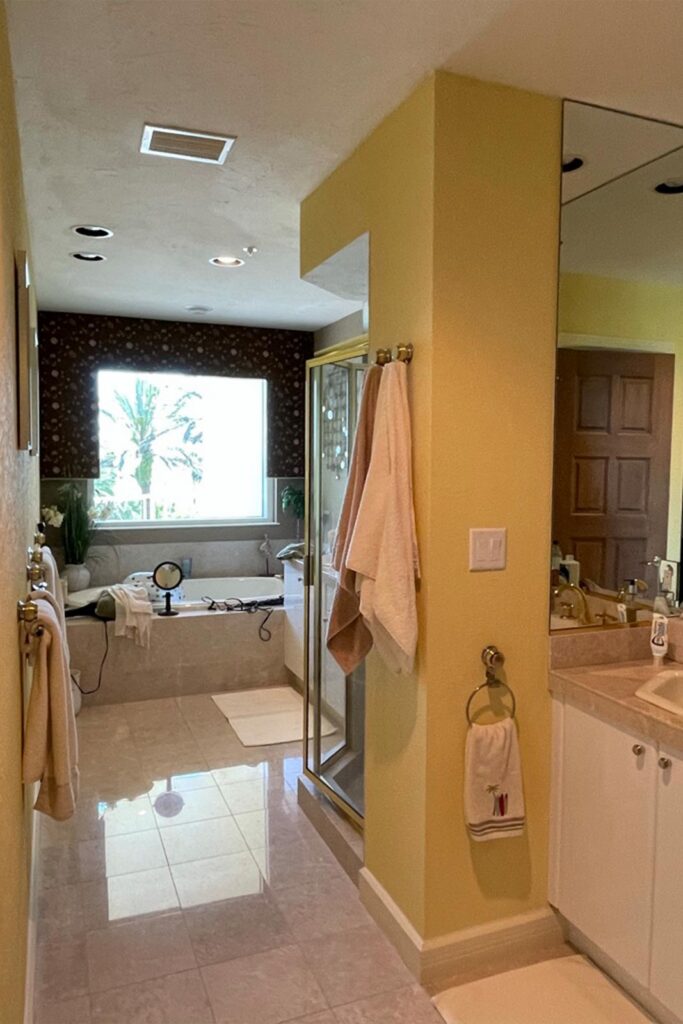
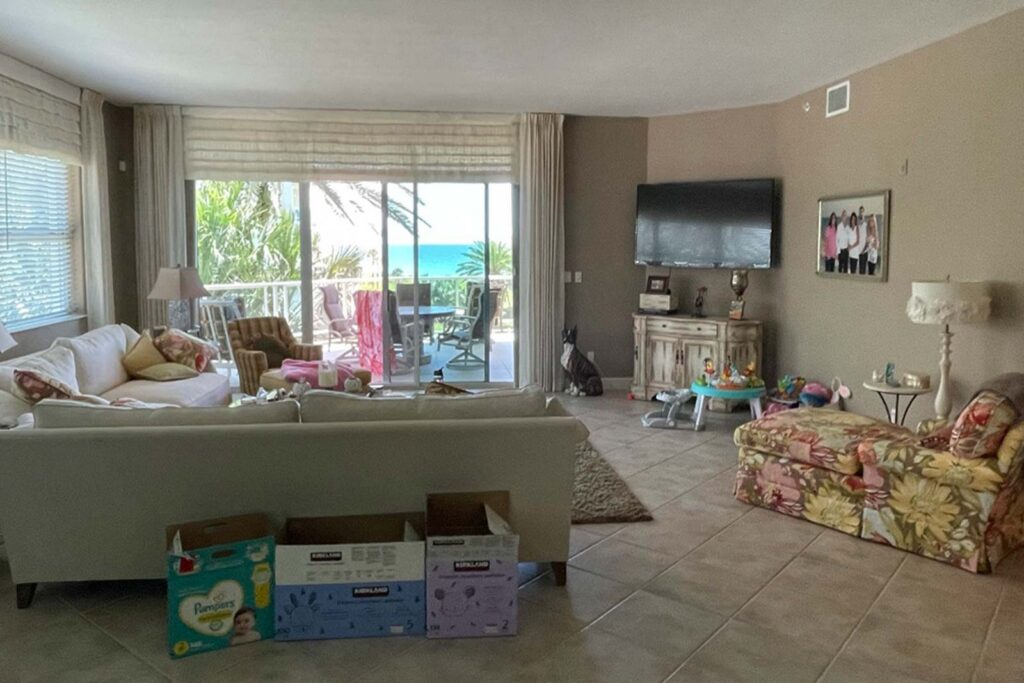
The structure remained, but the way the space functions and feels is entirely different.
Parent's Unit - Primary Bath
Kid's Unit - Primary Bath
Kid's Unit - Kitchen
Parent's Unit - Kitchen
Parent's Unit - Living Room
Kid's Unit - Living Room
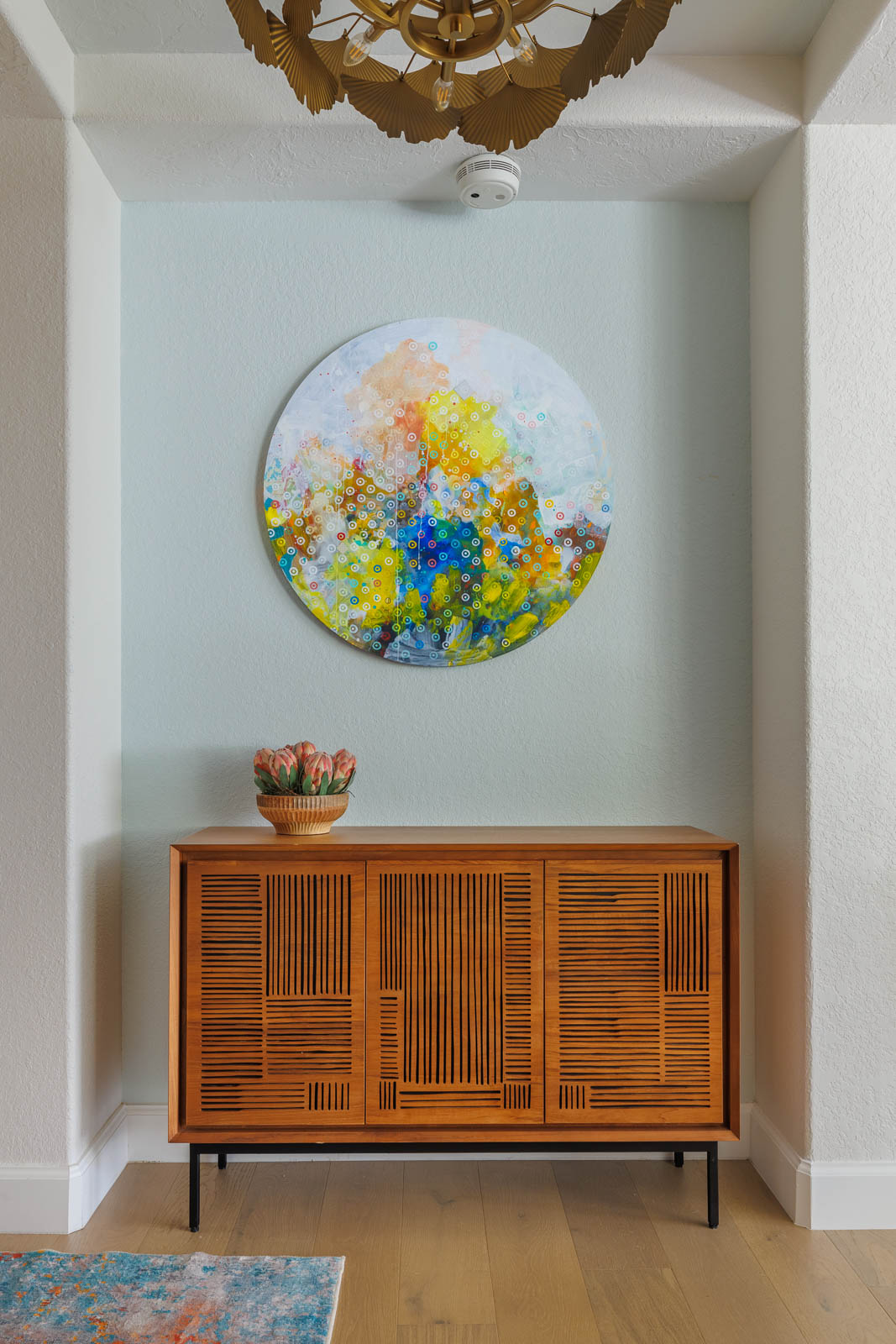
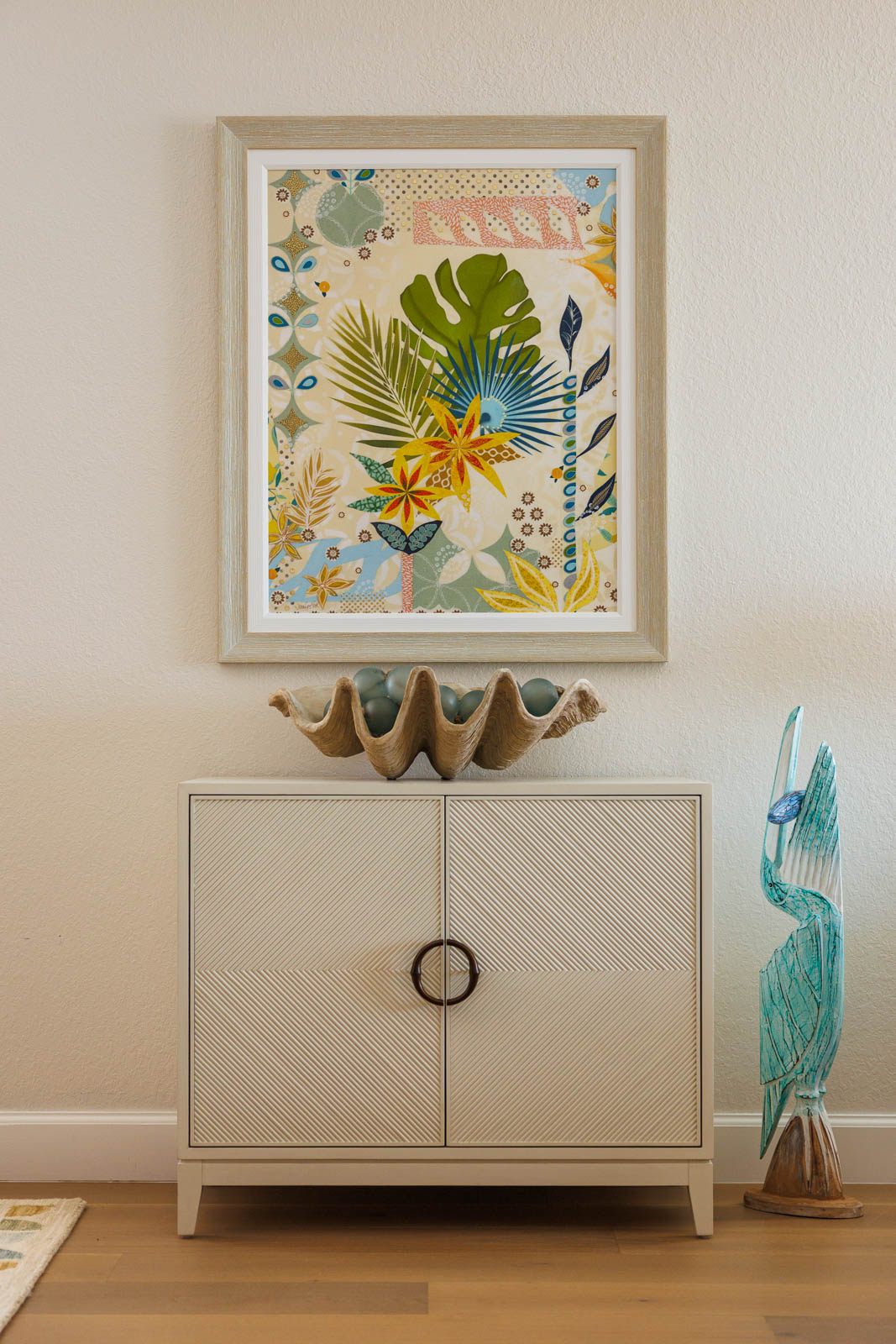
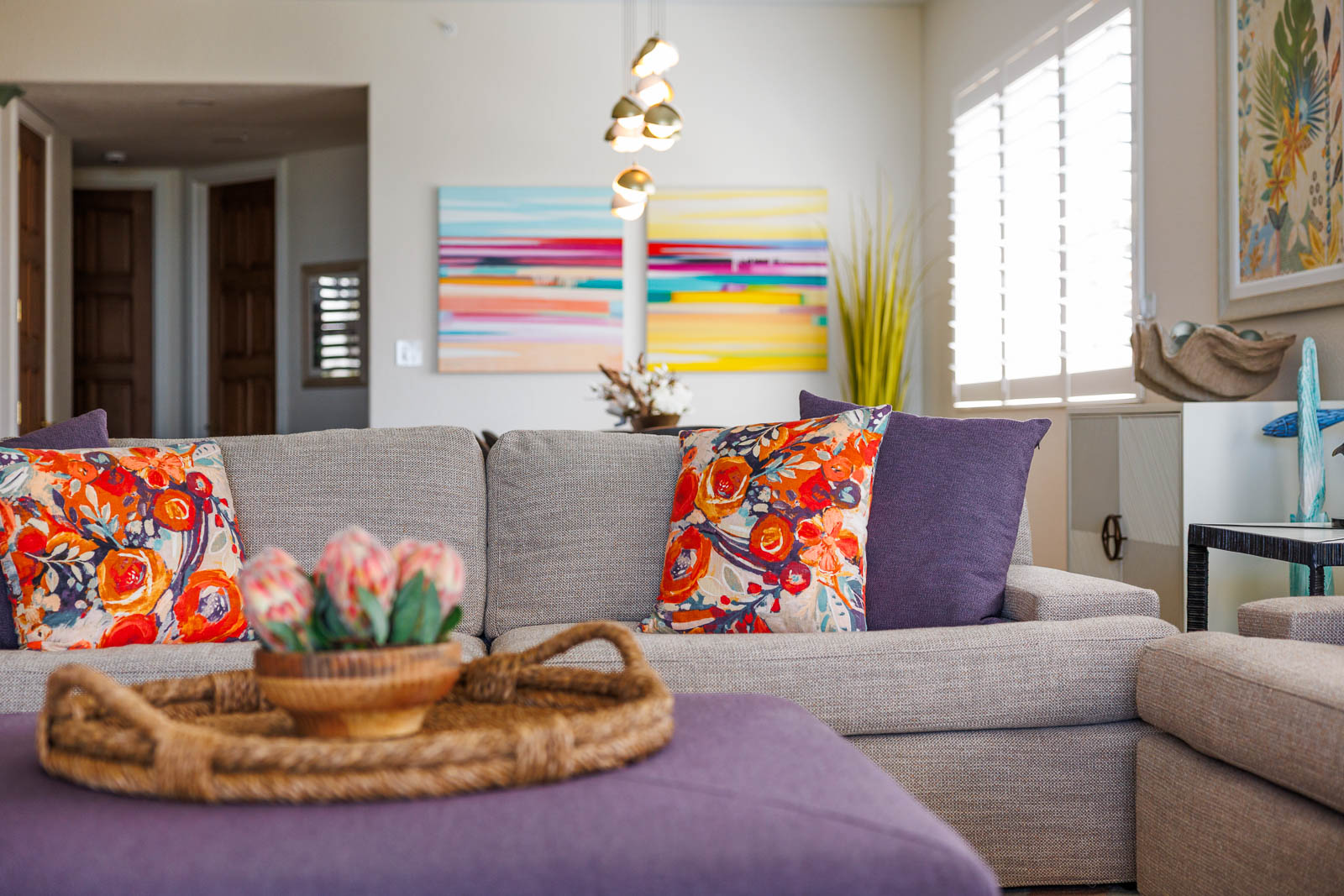
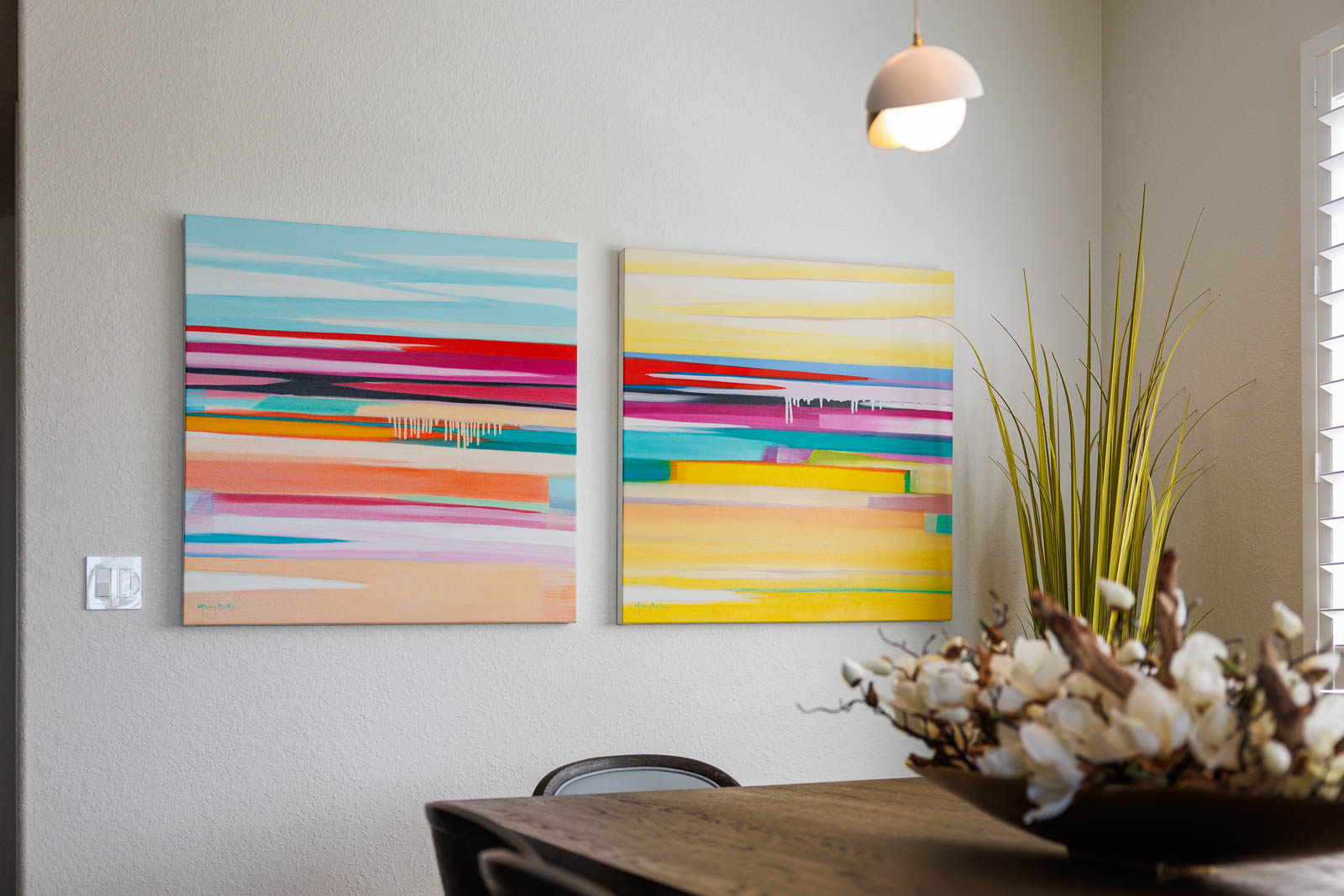
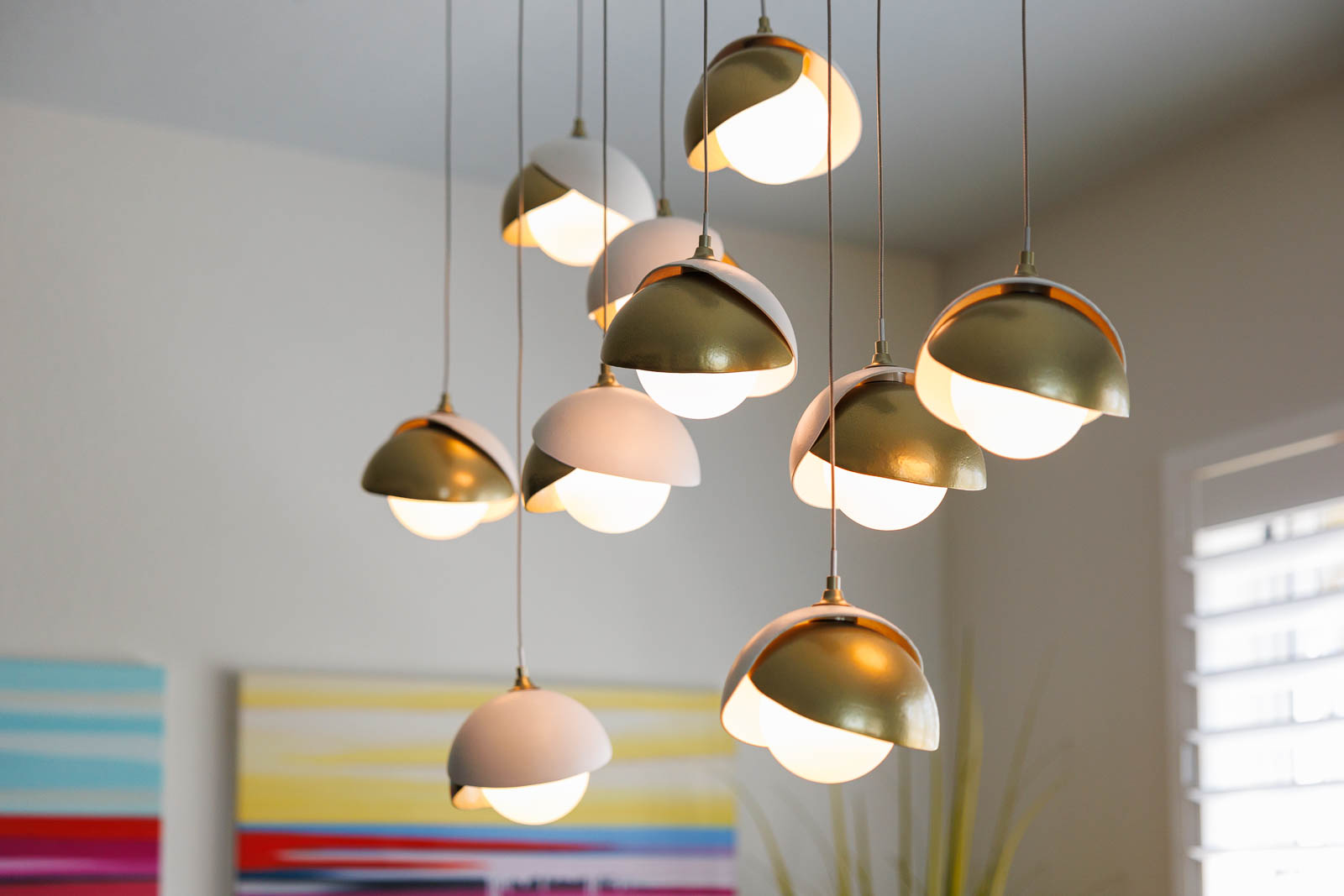
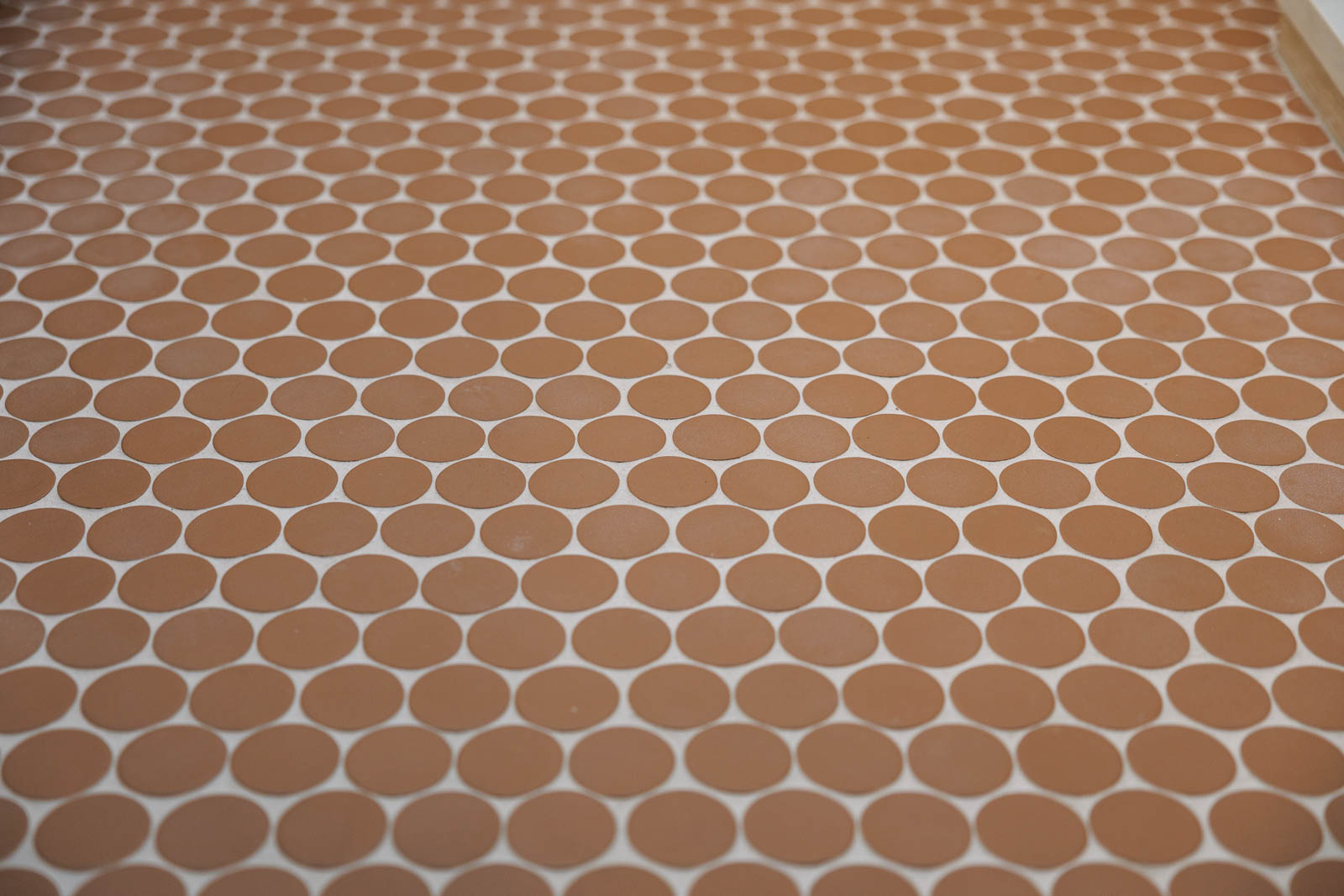
Details, Up Close
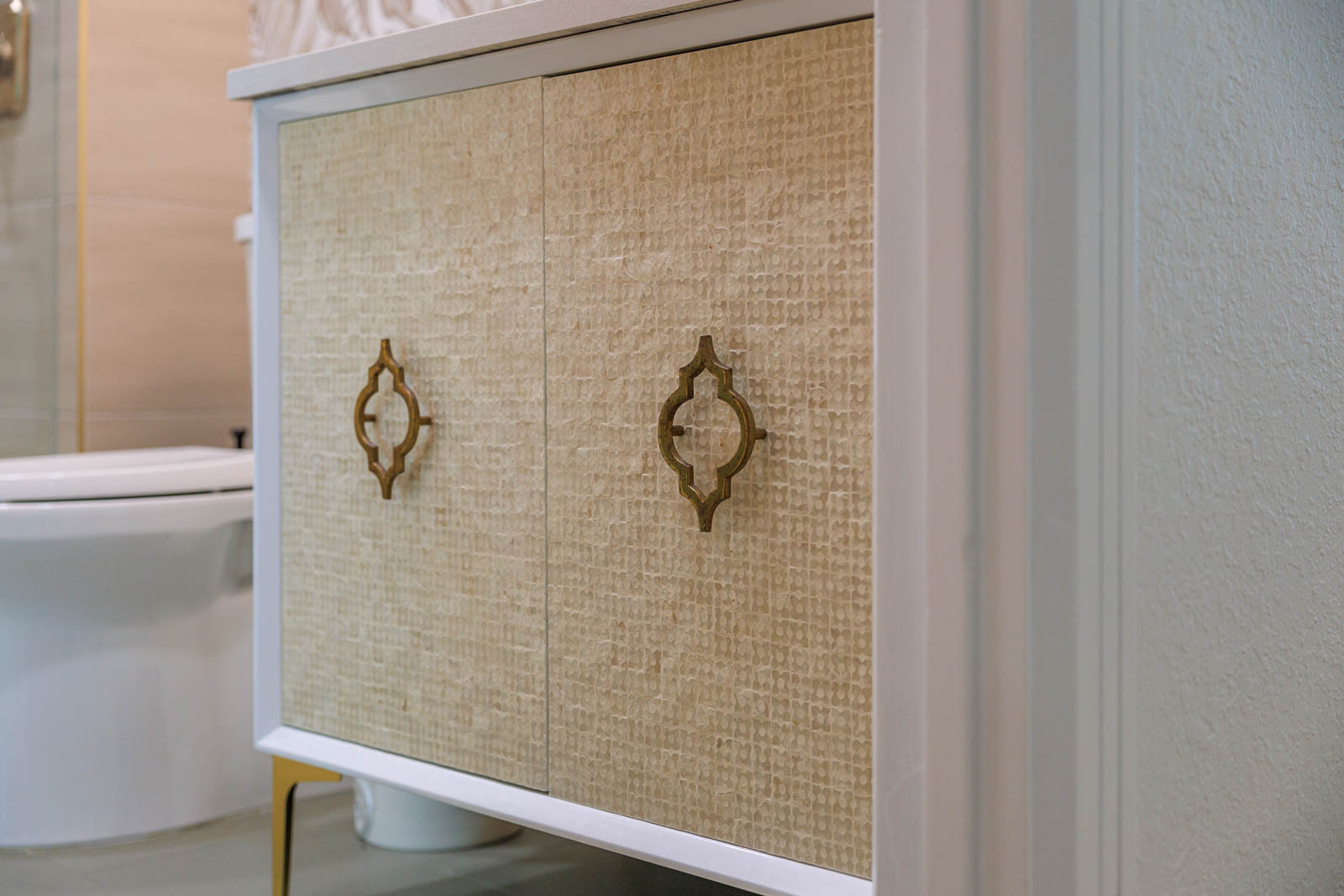
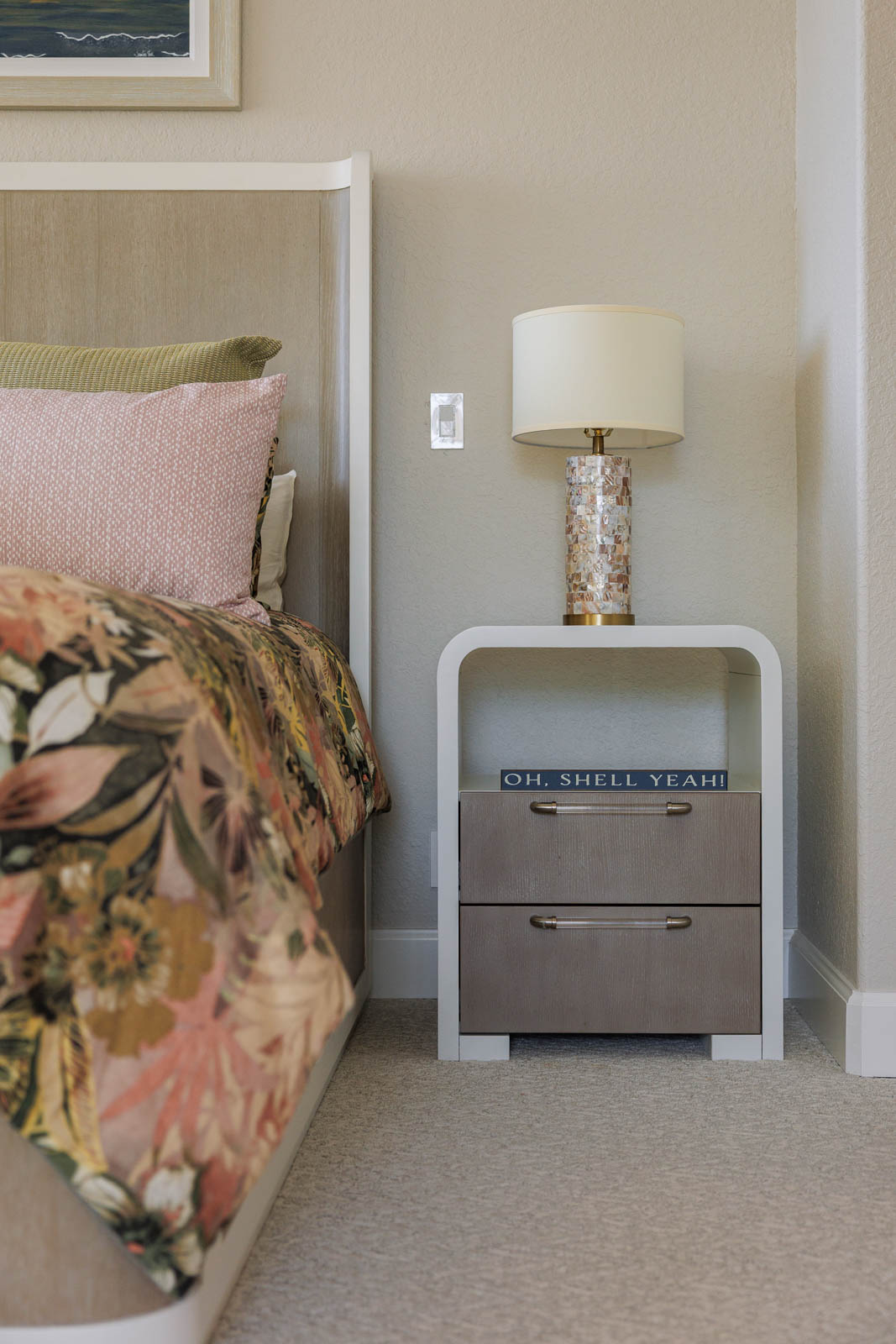
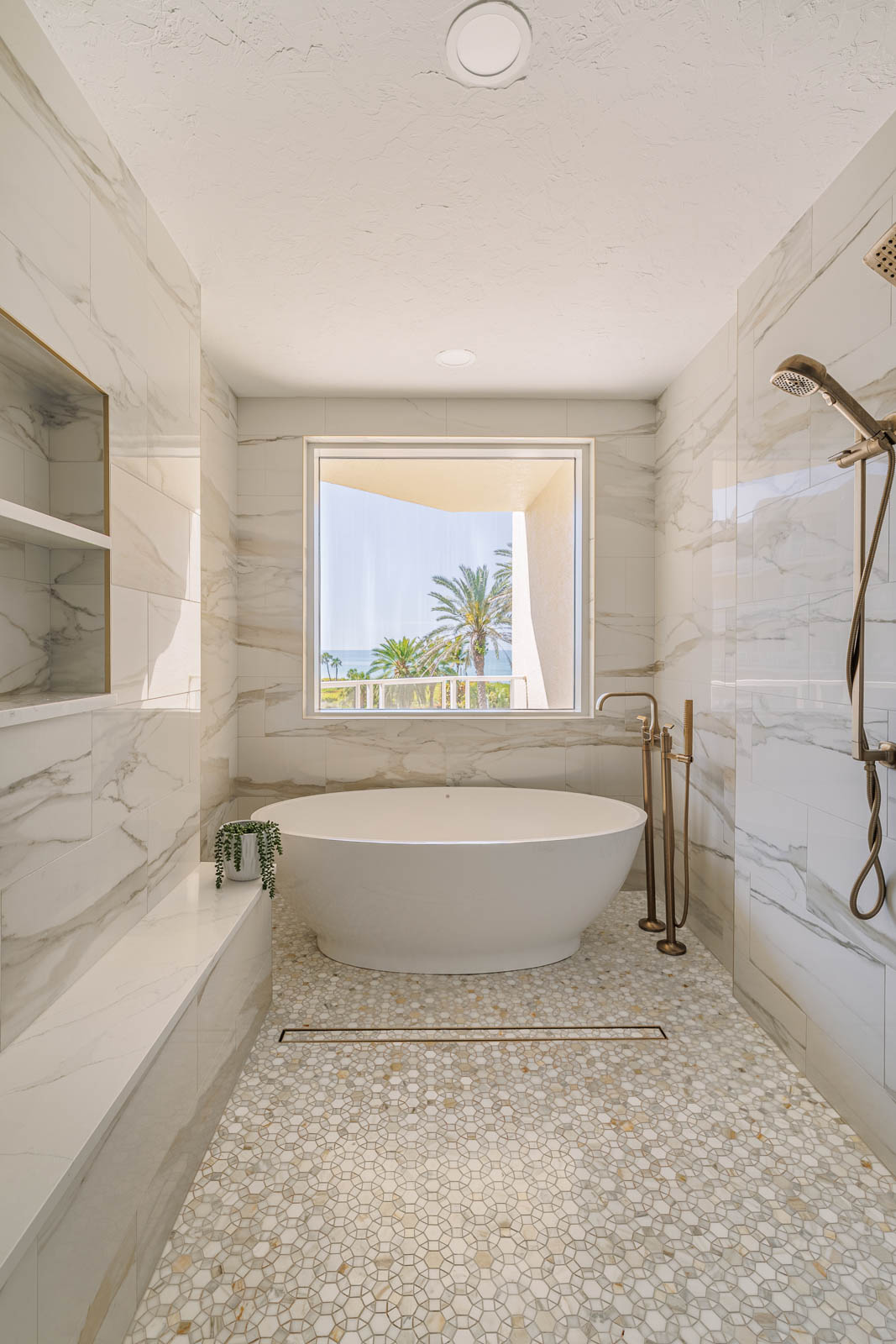
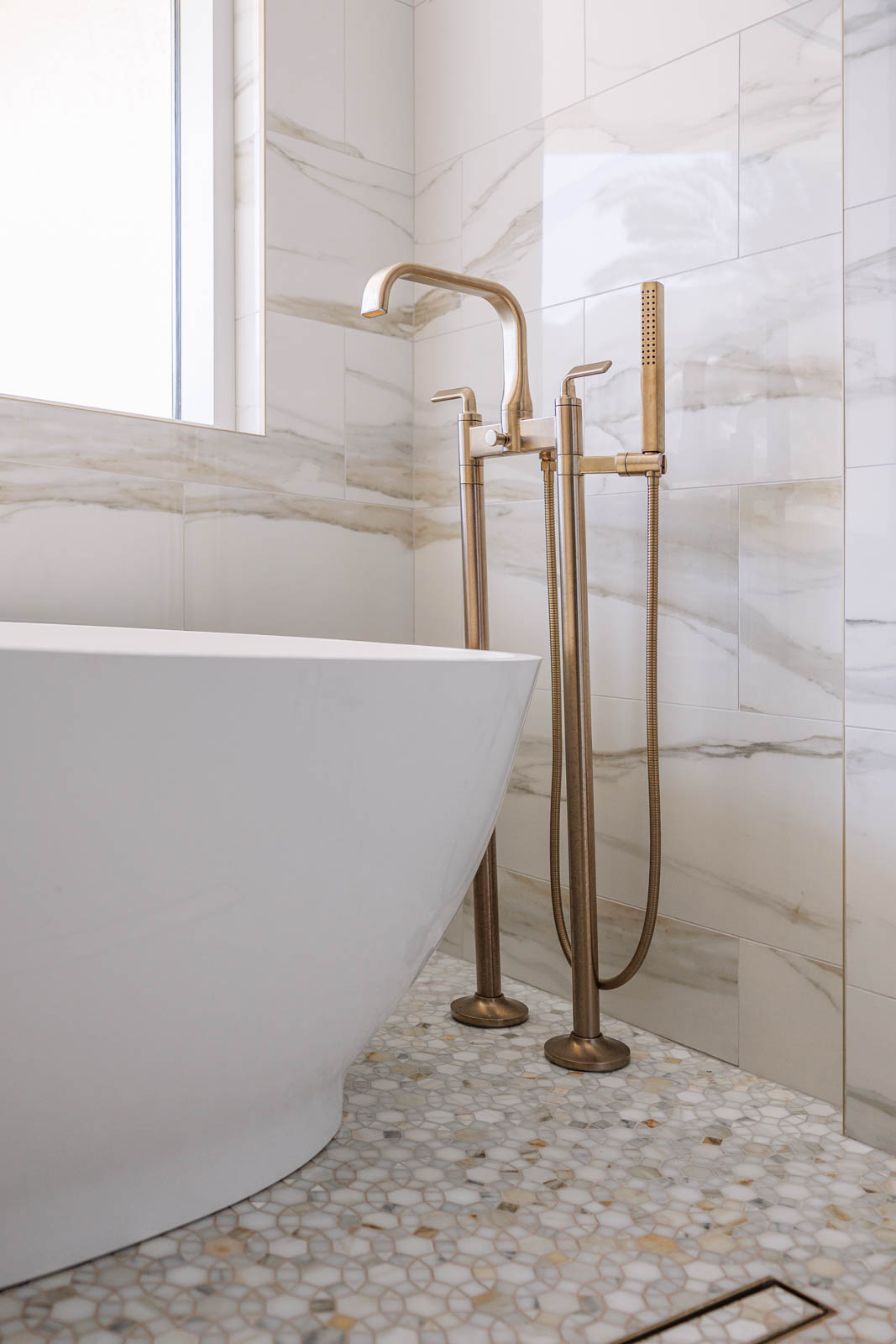
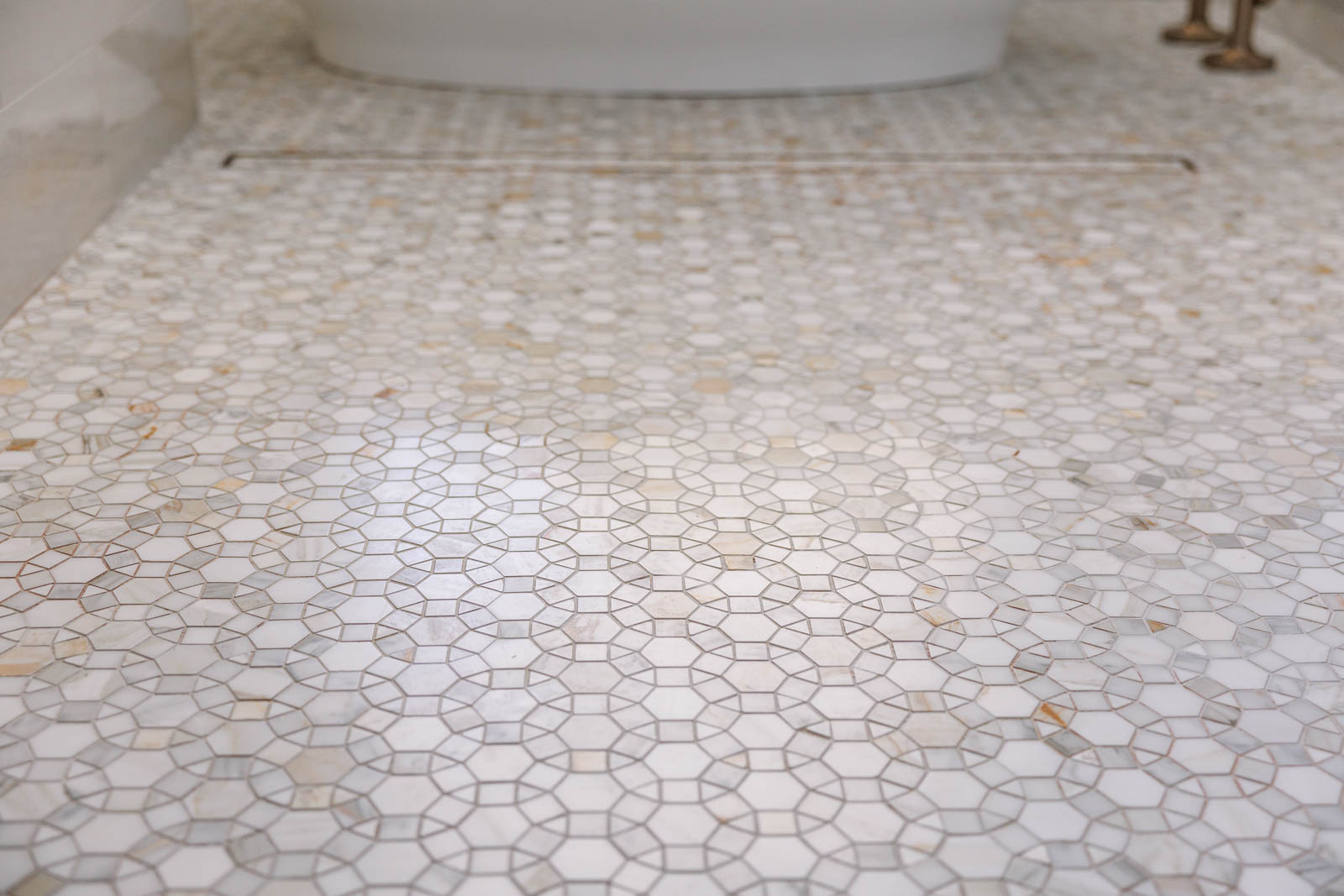
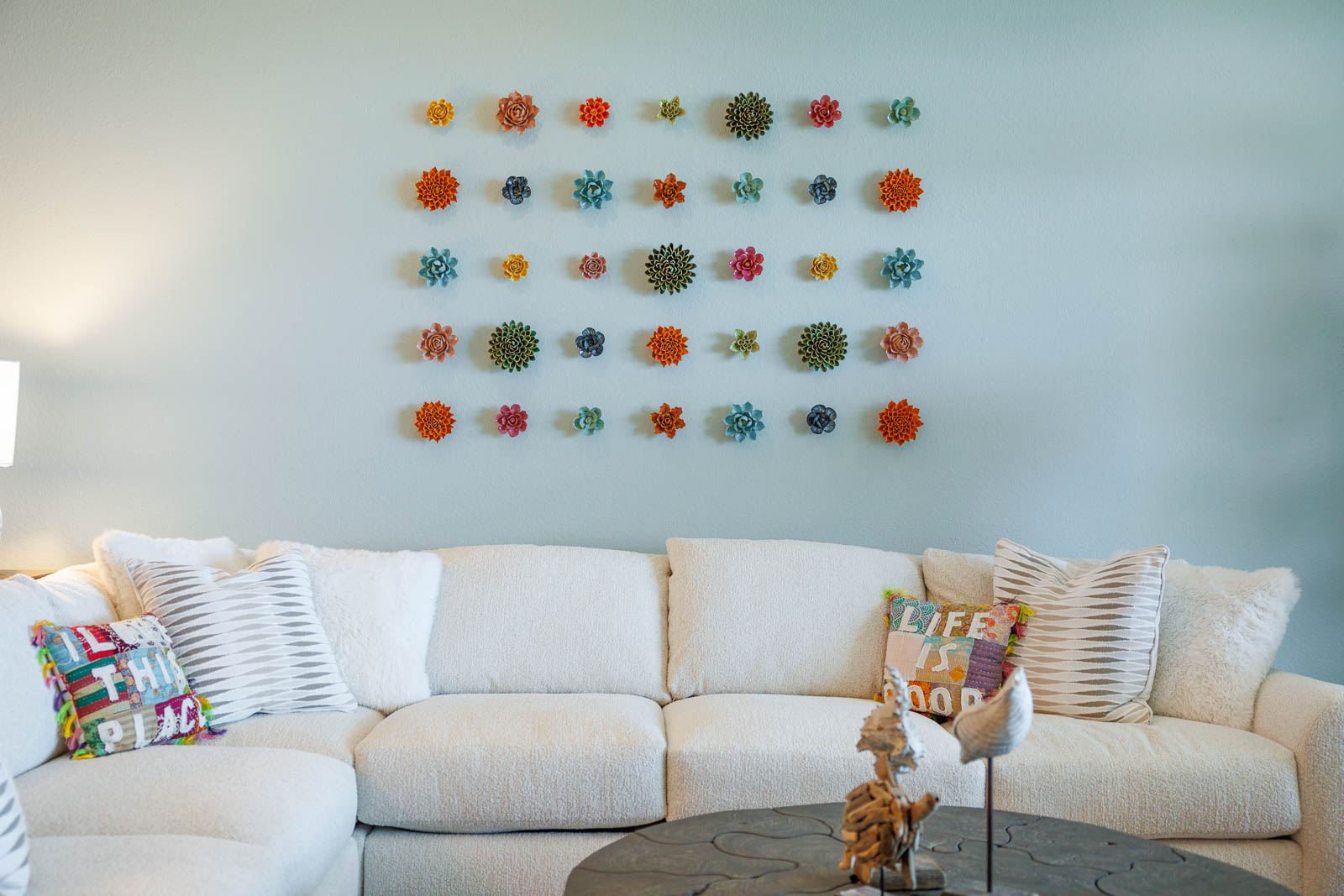
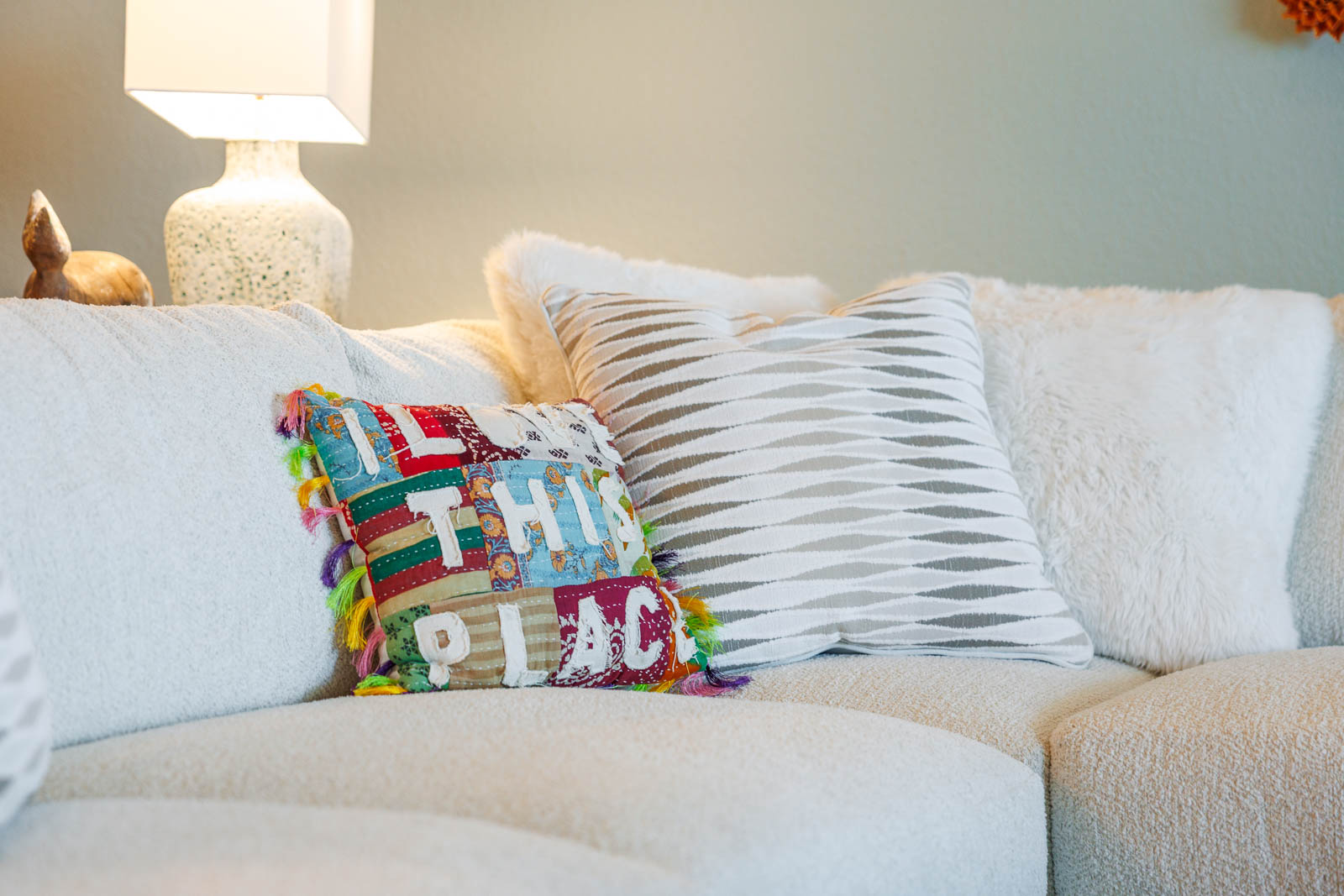
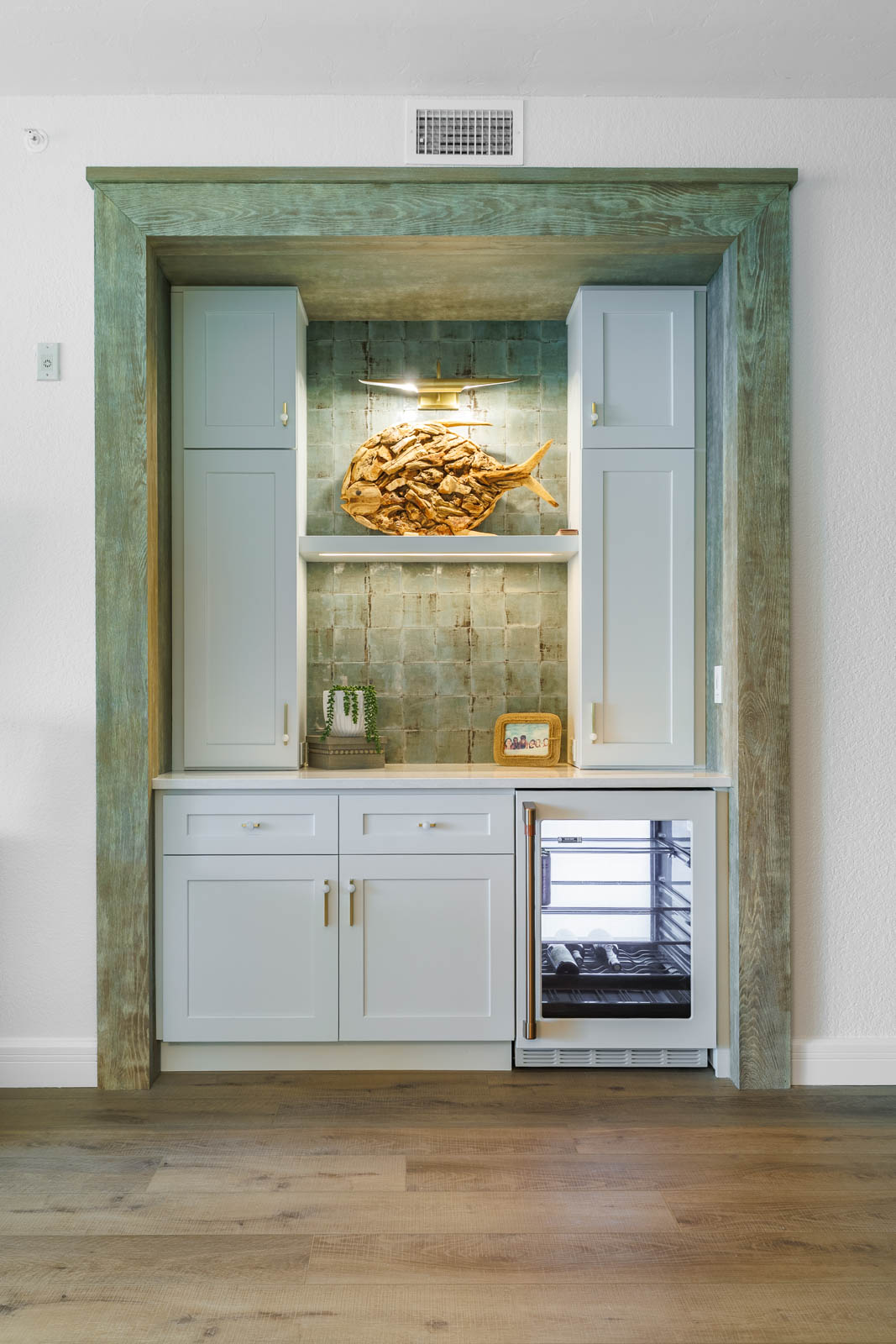
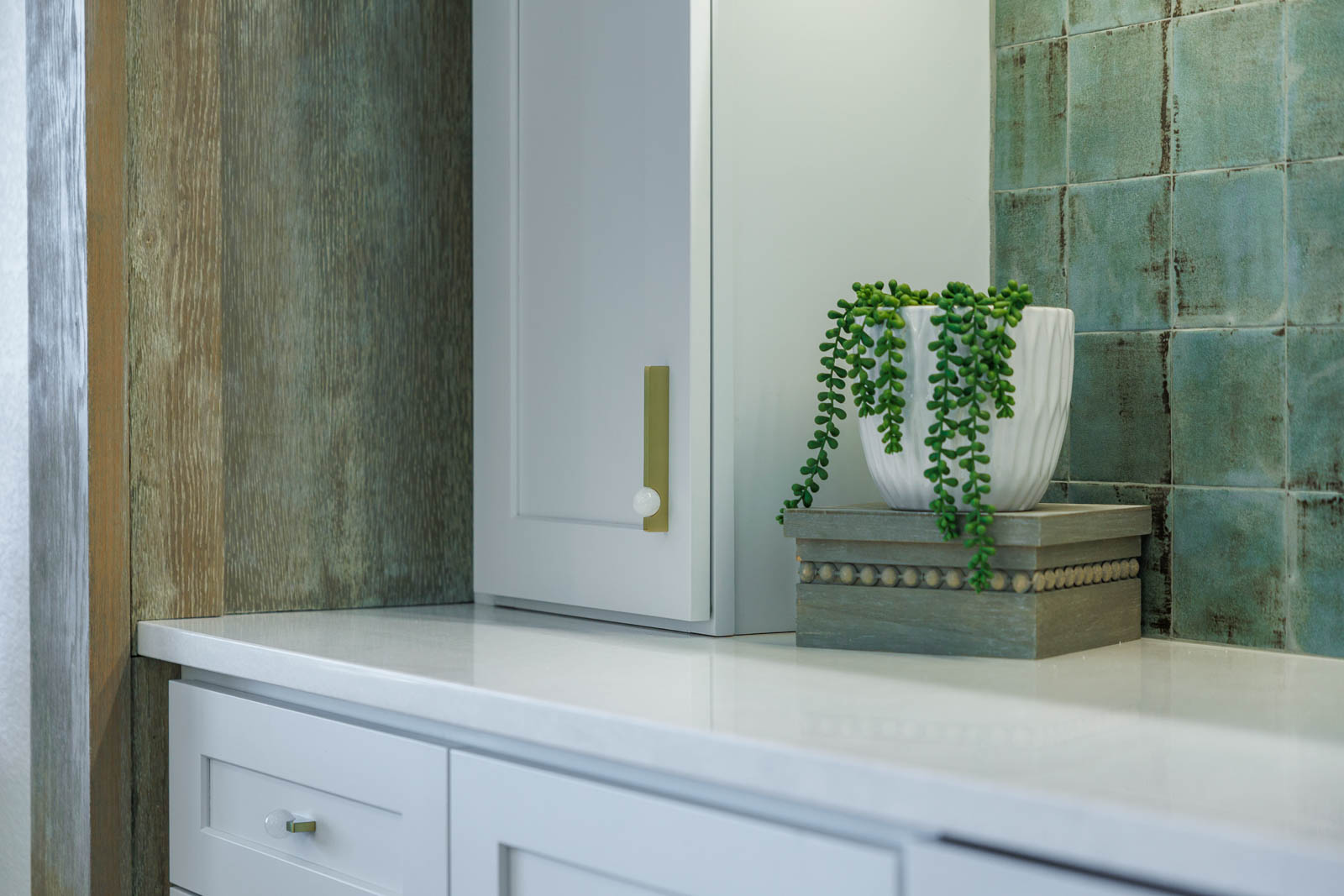
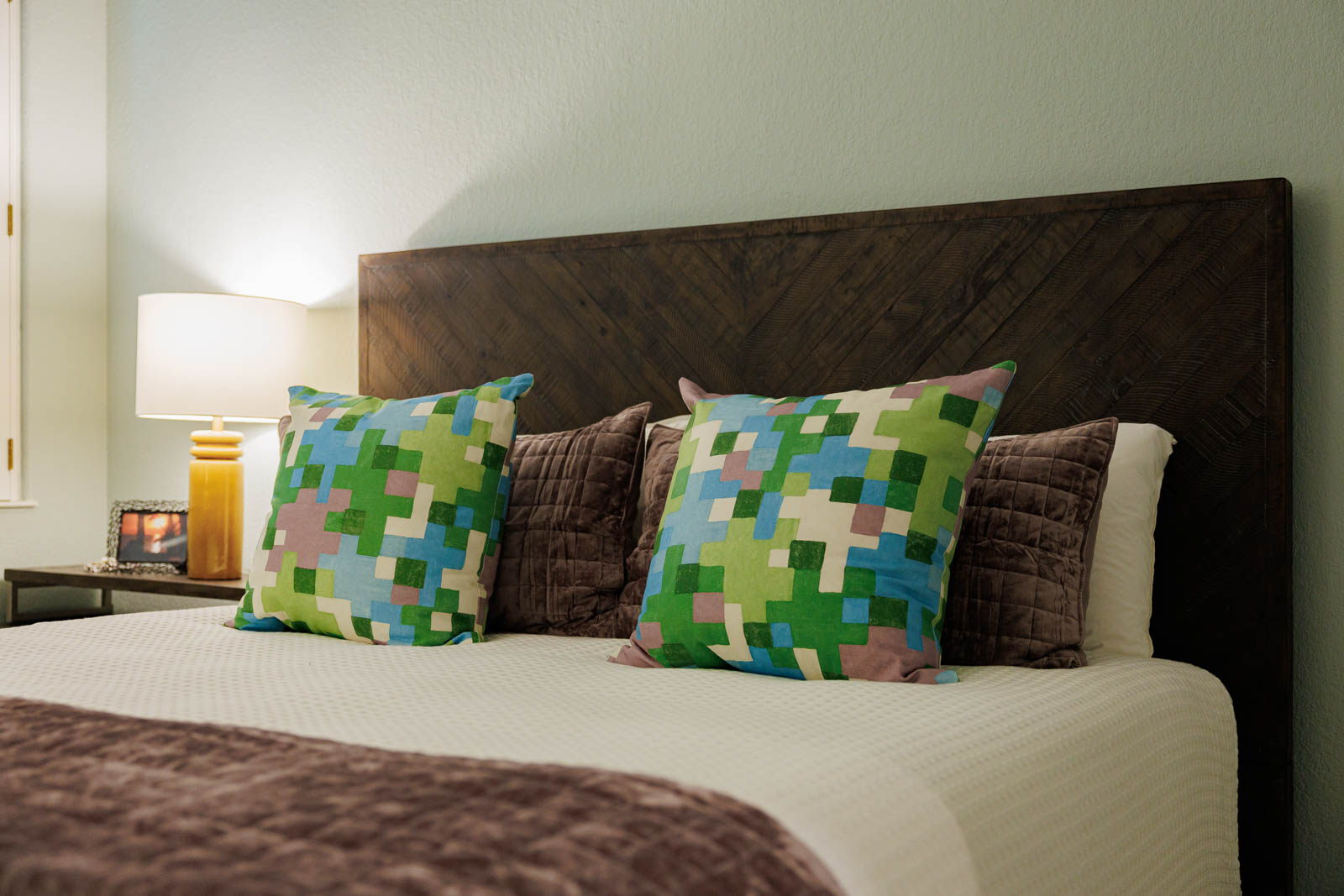
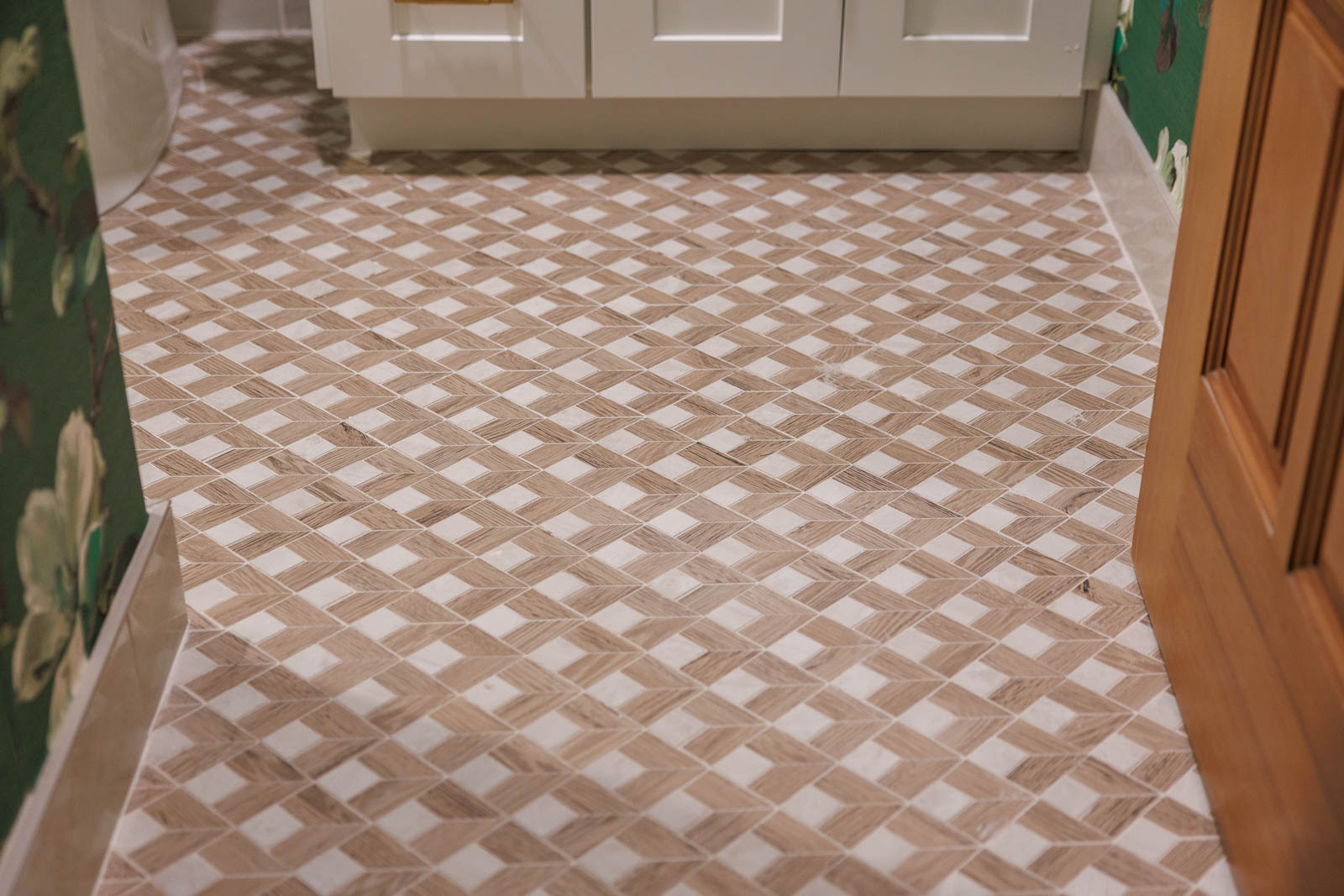
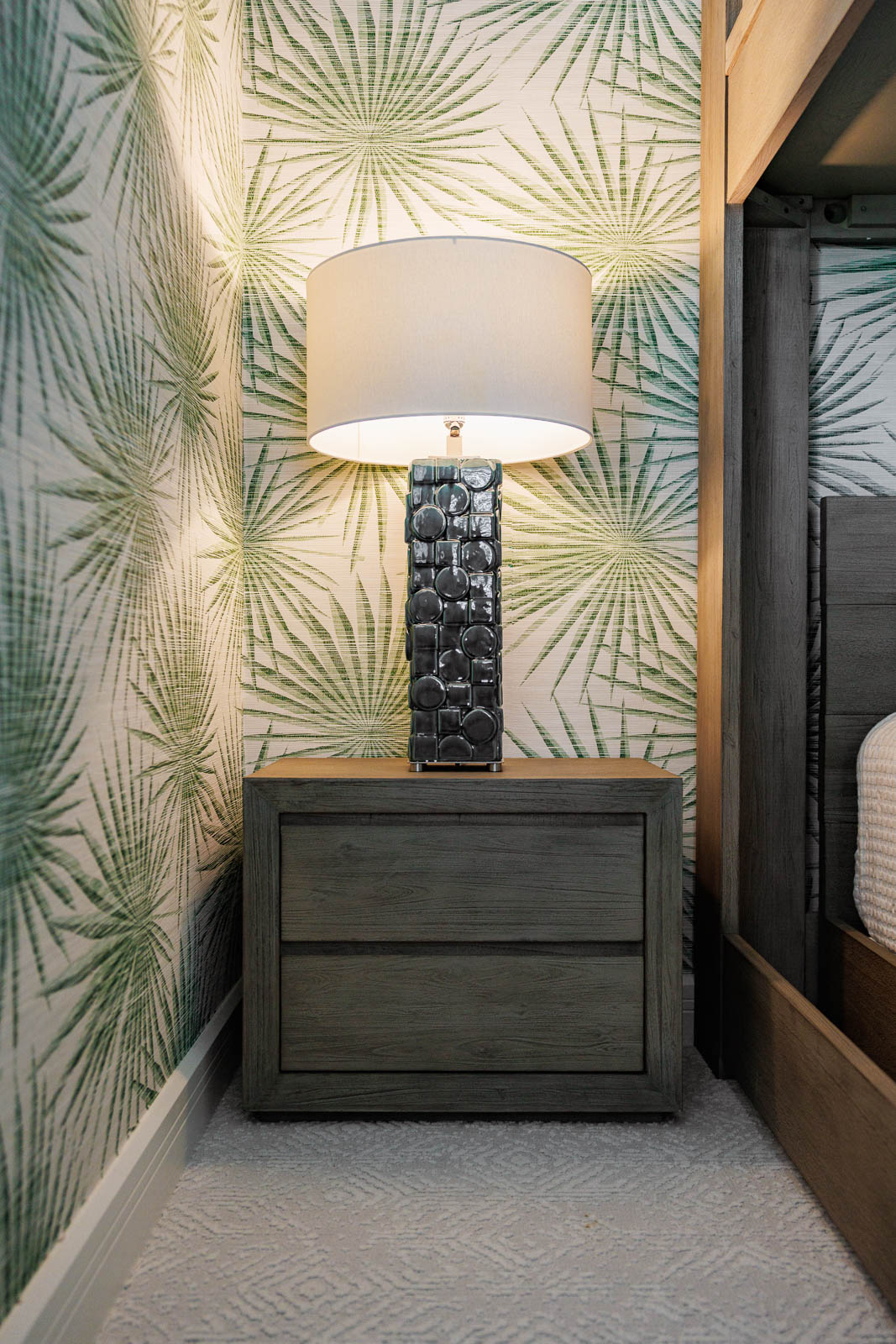
A closer look at the materials, transitions, and smaller decisions that shape how the home feels day to day. Subtle on their own, but essential to how it all comes together.
Ready for a space that feels like it’s always been yours?
Our work begins with listening—and ends with spaces that feel unmistakably yours. Because when design works beautifully, you don’t have to say a word.